
Hard Questions for the Future of Finance
In this candid closing conversation, confront the toughest questions shaping the future of financial health, from AI and fraud to climate risk and new payment models.
May 21, 2026

Climate change is an increasingly prevalent – and costly – part of life for Americans. Natural disasters can disrupt employment, delay public benefits, and hinder access to financial services at a time when people have already lost their homes, belongings, and even loved ones. Supporting vulnerable communities as they navigate these crises demands nothing short of decisive action. Explore Financial Health Network insights into the financial impact of the climate crisis, then reach out to collaborate with us on solutions for this urgent issue.
In this candid closing conversation, confront the toughest questions shaping the future of financial health, from AI and fraud to climate risk and new payment models.

After a movie-like getaway, Rob lost his car, home, and work equipment to the LA wildfires. Weeks later, another family tragedy hit.

Amanda’s family fled when LA’s wildfires swept through their tight-knit neighborhood, engulfing many homes in flames. Read how they started over, even against the odds.

Facing LA's wildfires, Bryce had an impossible choice: stay or flee? Hear their firsthand account of surviving the blaze, grappling with the decision to stay, and facing financial hardship. A story of living through a climate disaster and the resulting deep-seated uncertainty about the future.

Hear moving firsthand accounts from community leaders, disaster recovery experts, and financial service providers as we explore what it takes to build a financial system that supports climate resilience.
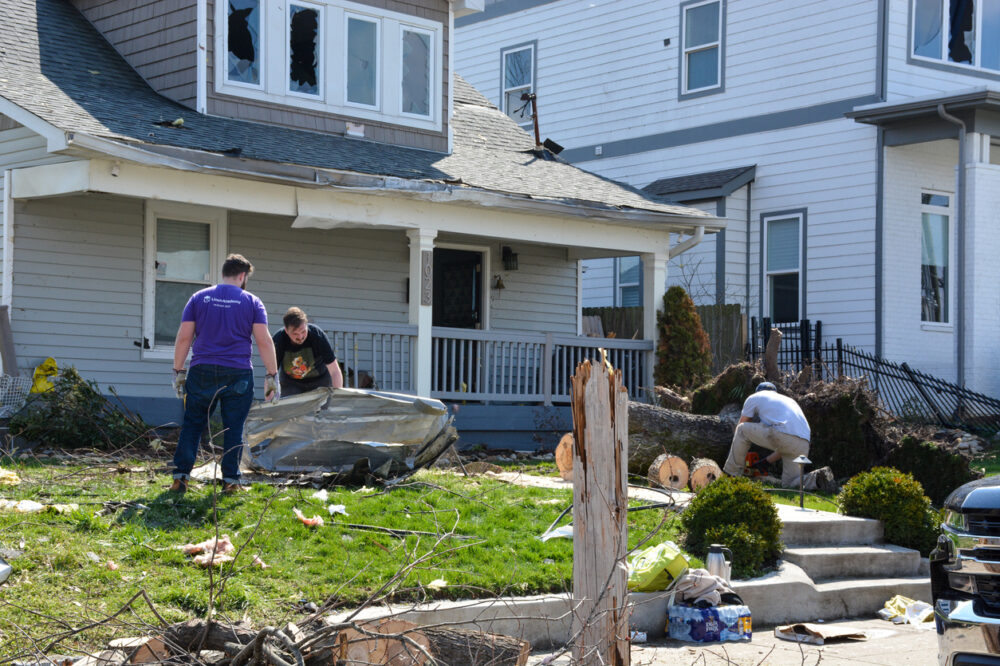
Extreme weather events and a changing climate are taking a toll on household finances, disproportionately impacting vulnerable communities. Learn how innovative financial tools and cross-sector collaboration can strengthen resilience.

A new FinHealth Spend Spotlight finds many renters don’t hold renters insurance – and those who do still face climate-related risks.

Climate hazards have massive financial impacts on households, especially ones that are already struggling. What do they need to be financially resilient in the face of a changing climate?
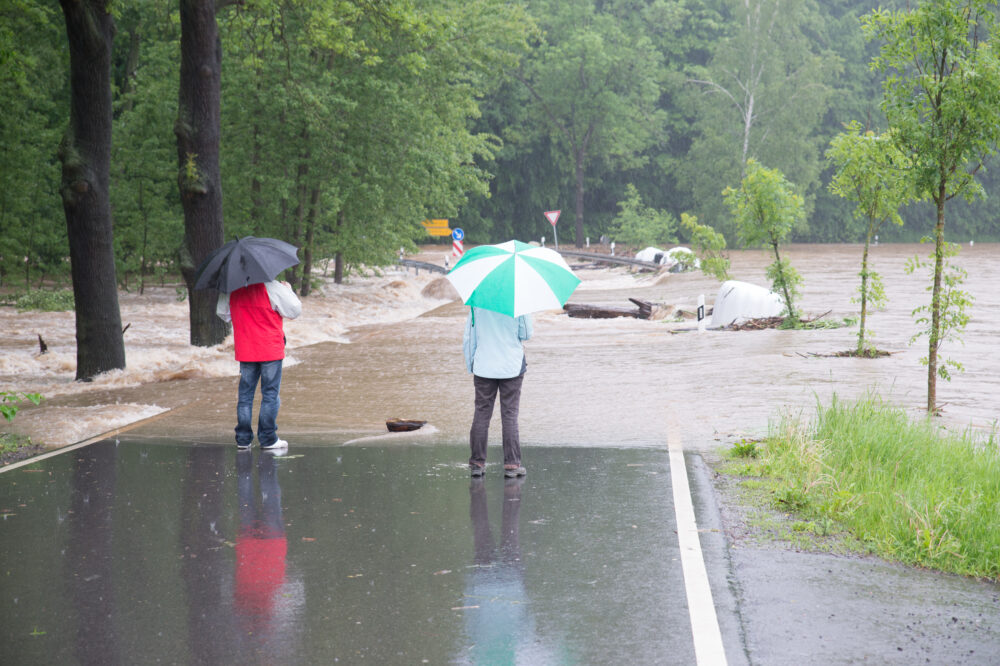
Households that experienced a weather event were also more likely to face a range of unexpected housing- and health-related expenses.

This is your moment to lead the way as we rewire our society to put financial health first. Learn how the Financial Health Network can help your organization become better informed about relevant issues, work more effectively, and find scalable solutions to drive lasting change.