From the EMERGE Stage to Your Summer Reading List
From the EMERGE stage to your beach bag. This summer reading list features thought-provoking books on economic mobility, financial health, and human connection, including titles by EMERGE 2026 speakers.
By Financial Health Network
-
Program:
-
Category:
-
Tags:
Books to Inspire, Challenge, and Expand Your Thinking
Summer is the perfect time to step away from the daily rush and dive into ideas that challenge assumptions, spark new conversations, and broaden our understanding of the world around us. Our 2026 EMERGE Summer Reading List features books that explore many of the themes at the heart of EMERGE—leadership, economic mobility, financial health, the future of work, and the human connections that make change possible.
Whether you’re looking for a thought-provoking nonfiction read, fresh perspectives on today’s economic realities, or meaningful ideas to share with the next generation, we hope this collection inspires your summer reading.
Continue the Conversation
Every year, EMERGE brings together thought leaders whose ideas challenge us to think differently about economic opportunity, financial health, leadership, and human connection. This summer, we’re highlighting three books written by EMERGE 2026 speakers whose work sparked some of the most meaningful conversations at our conference.

There Is No Place for Us: Working and Homeless in America, Brian Goldstone, Pulitzer Prize-winning journalist
What happens when full-time work is no longer enough to secure stable housing? Through powerful storytelling and in-depth reporting, Pulitzer Prize-winning journalist Brian Goldstone examines the growing number of working Americans experiencing homelessness, revealing how rising housing costs, stagnant wages, and systemic barriers leave many families one setback away from crisis.
Goldstone’s work brings a human face to some of the most pressing economic challenges of our time and aligns closely with EMERGE’s ongoing focus on economic mobility, financial resilience, and creating pathways to opportunity.
Continue the Conversation: Watch Brian Goldstone’s EMERGE session.
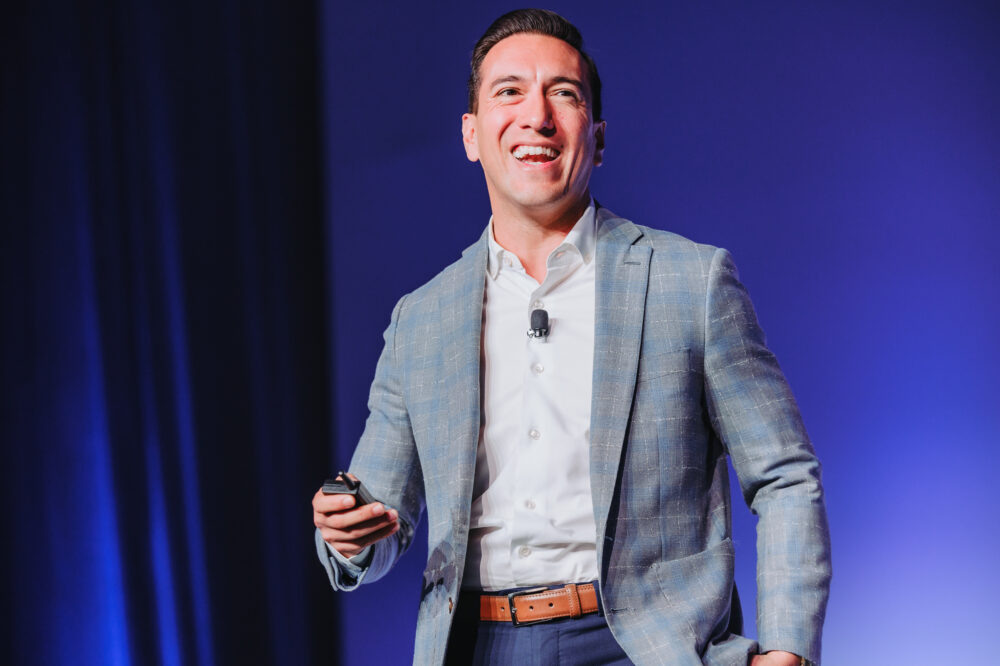
Hope for Cynics: The Surprising Science of Human Goodness, Jamil Zaki
At a time when cynicism often feels like the safest response to uncertainty, Jamil Zaki offers a compelling alternative. Drawing on decades of behavioral science research, he demonstrates that hope, trust, and empathy are not signs of naivety—they are skills that can be cultivated and strengthened.
Part research, part practical guide, Hope for Cynics challenges readers to rethink how we engage with one another and how stronger communities are built. It’s an especially timely read for leaders seeking to create connection and trust in an increasingly divided world.
Continue the Conversation: Watch Jamil Zaki’s EMERGE session.
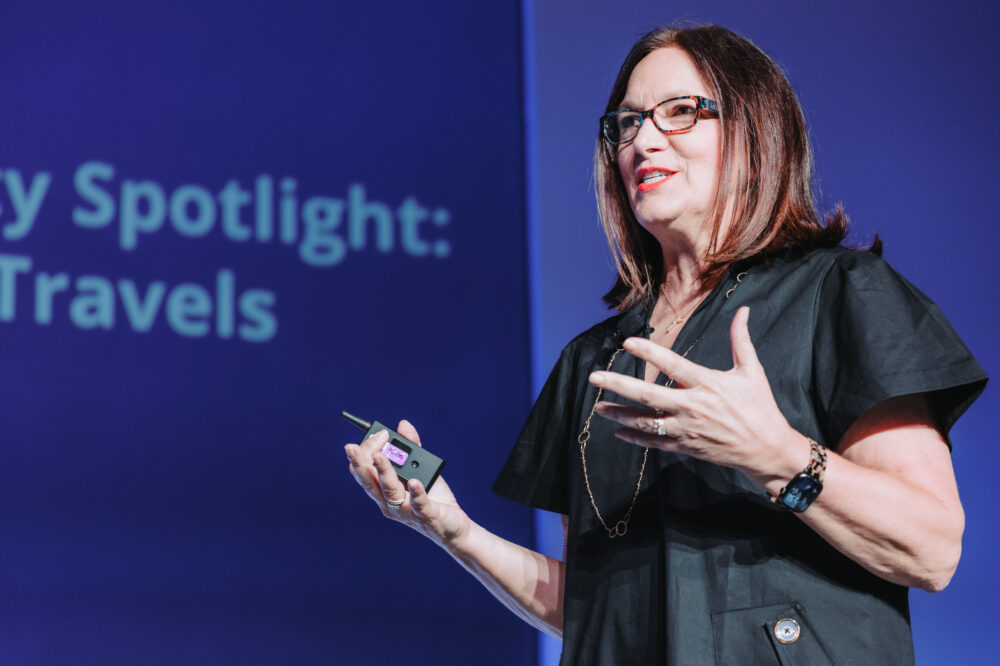
Level Up: Rise Above the Hidden Forces Holding Your Business Back, Stacey Abrams and Lara Hodgson
Growth doesn’t stall because of the challenges leaders can see—it often stalls because of the obstacles they can’t. In Level Up, Stacey Abrams and Lara Hodgson explore the hidden forces that prevent organizations from reaching their full potential and provide practical strategies for overcoming them.
Drawing on years of entrepreneurial and leadership experience, the authors offer valuable insights for anyone looking to build stronger organizations, lead through uncertainty, and create sustainable success.
Lara Hodgson’s practical, systems-focused approach resonated strongly with EMERGE attendees and continues to provide lessons for leaders across industries.
Continue the Conversation: Watch Lara Hodgson’s EMERGE session.
Explore More Summer Reading
While our featured EMERGE authors offer a great place to start, there are plenty of other thought-provoking books worth adding to your summer reading list. The recommendations below explore themes that resonate across the EMERGE community, including economic opportunity, financial health, innovation, and the changing world of work.
Understanding Economic Reality
How we measure economic well-being shapes how we understand challenges and design solutions. These books offer fresh perspectives on inflation, financial systems, and the economic realities facing households today.
The Mismeasurement of America: How Outdated Government Statistics Mask the Economic Struggle of Everyday Americans, Gene Ludwig
Inflation: A Guide for Users and Losers, Mark Blyth and Nicolo Fraccaroli
Fixed: Why Personal Finance Is Broken and How to Make It Work for Everyone, John Y. Campbell and Tarun Ramadorai
Work, Opportunity, and the Future of Work
The nature of work is changing rapidly. These books explore the forces reshaping employment, the rise of gig and service work, and the uniquely human skills that will remain valuable in an increasingly automated world.
The Last Human Job: The Work of Connecting in a Disconnected World, Allison Pugh
Beneath the Wage: Tips, Tasks, and Gigs in the Age of Service Work, Annie McClanahan
Financial Inclusion and Financial Health
Financial well-being is influenced by both individual choices and the systems that surround us. These books examine the history of financial inclusion and the innovations helping shape a healthier financial future.
Savings and Trust: The Rise and Betrayal of the Freedman’s Bank, Justene Hill Edwards
Healthy Money: Building the Bank of the Future Around Financial Health, Data Networks and Ecosystems, Alastair Campbell
For Families and Future Changemakers
Building financial capability and empathy starts early. These books offer families an opportunity to introduce important concepts through engaging stories and meaningful conversations.
Younger Readers Pick:
Maddi’s Fridge, Lois Brandt
A moving story about friendship, food insecurity, and learning how to help others with compassion and dignity.
Older Readers Pick:
Sam and the Lucky Money, Karen Chinn
A thoughtful story about generosity, gratitude, and what money can—and can’t—do.
Read. Reflect. Recharge.
The best books help us see familiar challenges from new perspectives. Whether you’re interested in leadership, economic mobility, financial health, the future of work, or simply understanding people a little better, we hope these recommendations inspire meaningful reflection throughout the summer.