 Home
HomeEmpathy as a Leadership Discipline: A Conversation with Stanford Professor Jamil Zaki
Ahead of his appearance at Financial Health Network’s EMERGE 2026 conference, Stanford psychology professor Jamil Zaki sat down to discuss why empathy isn’t a soft skill and why the leaders who treat it as one are making a costly mistake.
By Financial Health Network
-
Program:
-
Category:
-
Tags:
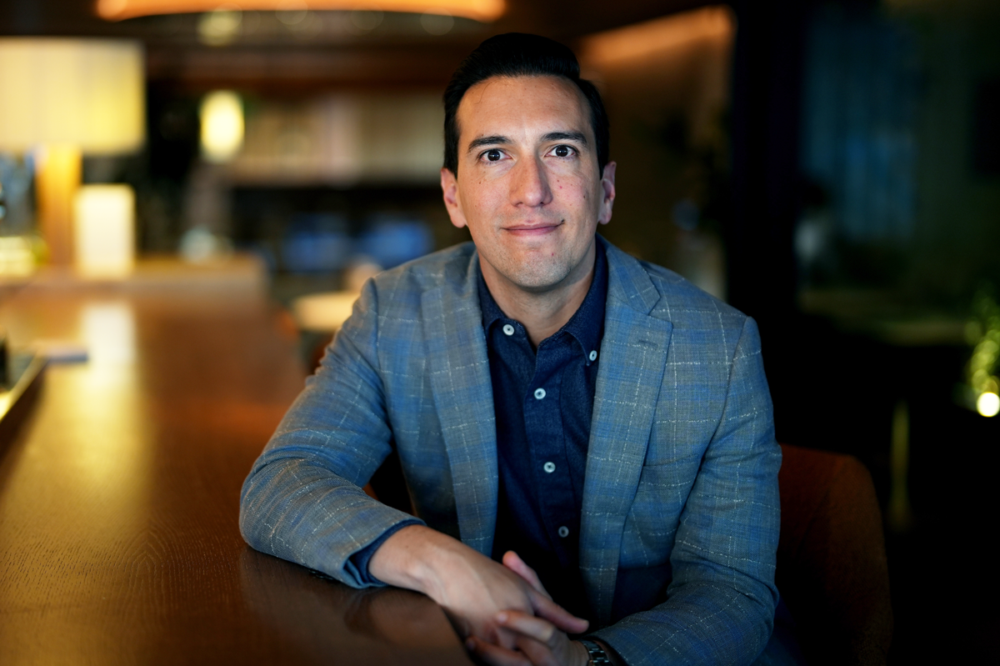
The following is an edited Q&A with Jamil Zaki, Professor of Psychology at Stanford University, who will appear on the mainstage for the session “Empathy as a Leadership Discipline: Practice, Pressure, and Choice” at the Financial Health Network’s EMERGE conference in Atlanta, May 19-21.
Why does cynicism feel like an effective defense for leaders, even when it isn't?
Cynicism can feel like armor. It gives people the sense that they’re harder to fool, less likely to be disappointed, and more in control. For leaders, that can be especially seductive—leadership often means making decisions under uncertainty and being surrounded by risk. The appeal is understandable.
The problem is that cynicism protects us poorly and costs quite a bit. It narrows our field of vision, causing cynical leaders to see threats where there is actually possibility, and self-interest where there could be partnership. Over time, that becomes a self-fulfilling prophecy: if you expect people to disappoint you, you create the very conditions in which they’re more likely to do so. Healthy skepticism is valuable and evidence-based. Cynicism, despite how sophisticated it can feel, is surprisingly naïve.
What does it look like to practice empathy under real pressure?
Practicing empathy is easy when there’s plenty of time, low conflict, and no real cost. The real test comes when you’re moving fast, making hard calls, or navigating competing demands.
In those moments, it helps to be clear about what empathy actually is—and what it isn’t. Niceness can mean avoiding conflict or discomfort. Empathy is something different: It requires genuine curiosity about what other people are experiencing, and the willingness to communicate decisions in a way that shows people they’ve been heard. That distinction matters enormously under pressure.
Used well, empathy doesn’t slow leaders down—it helps them navigate high-stakes moments more effectively, earn trust, and boost their teams’ performance. It also guards against the kind of short-term thinking that creates much bigger problems later.
When it comes to trust, what's the first thing a leader should do?
The first thing to do is shrink the gap between how people actually experience your organization and how you think they experience it. Leaders are often surrounded by filtered information, polished narratives, and people who hesitate to speak candidly. That’s dangerous insulation. Building trust requires actively breaking through those barriers—creating conditions where people feel genuinely safe expressing what they think is broken, where they feel dismissed, and what they need in order to believe in you again.
Then, critically, leaders have to act on what they hear in clear and concrete ways. Trust grows when people see that their reality has registered and that something meaningful changes as a result. The mistake most leaders make is the reverse: They communicate first and listen second, if at all. They issue statements rather than asking questions. That approach might manage a news cycle, but it doesn’t rebuild trust.
What's one thing leaders coming to EMERGE can start doing today that will make a real difference in how they lead?
A simple place to start: In one conversation each day, spend less time preparing your response and more time trying to understand what matters most to the other person. That sounds small, but it changes a lot.
People are remarkably sensitive to whether someone is genuinely listening versus simply waiting their turn to speak. When leaders show real curiosity, they do two things at once—they boost morale, and they learn things they would otherwise miss entirely. My research, and the work of many others, shows clearly that empathy is a skill. And like most skills, it grows through regular practice. You don’t need to wait for a crisis or a culture initiative to start. You need one conversation, done differently, today.