
Catalyzing Private Sector Action To Advance Global Financial Health in 2022
Financial Health Network, Office of the United Nations Secretary-General’s Special Advocate for Inclusive Finance for Development, and Mastercard Center for Inclusive Growth launch a new global study to catalyze private sector action to improve financial health.

The value of impartial financial education
How organizations can provide financial education that changes lives This eBook provided by nudge highlights the value of employee financial education.

Setting a National Financial Inclusion Agenda
Building a truly inclusive financial system that helps people achieve short- and long-term financial stability will require a large-scale coordination of partners to bring about systemic change.

Digital Currencies and Financial Health
Digital currencies have the potential to improve financial health for millions, but it depends on how they are designed and integrated into the financial services infrastructure.
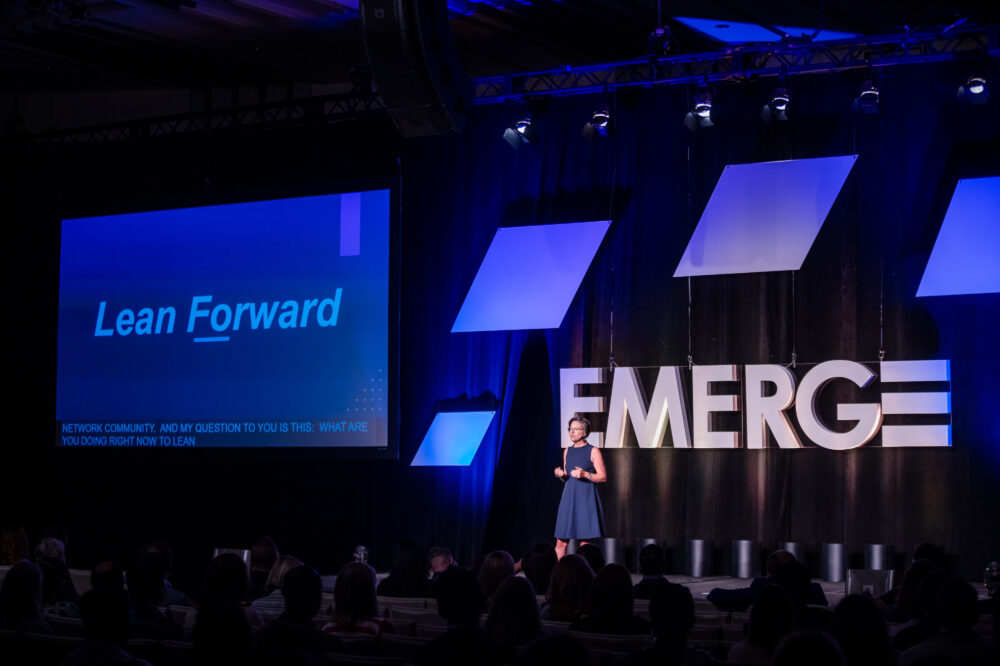
EMERGE Financial Health 2022
Our flagship in-person event is back for cross-industry leaders to collaborate, learn, and get inspired to support the future of financial health.

Measure Financial Health in Minutes With Attune
Attune helps organizations optimize for financial health quickly and easily through data measurement and analytics. In a special video spotlight, learn about our new powerful digital insights platform, developed by a world-class advisory council and backed by years of research from the Financial Health Network.

True Cost of a Loan: Oportun Loans are One-Sixth the Cost of Alternatives
Recent analysis from the Financial Health Network found that Oportun installment loans cost significantly less over the life of the loan, compared with other loan products available to similar borrowers for near prime consumers or consumers without a credit score. The Financial Health Network’s proprietary True Cost of a Loan study, which reflects total costs to repay a loan fully, revealed that some competitor products will charge you more in interest and fees than the actual amount borrowed. In comparing those products to Oportun installment loans, Financial Health Network found that others charge an average of 6 times more than Oportun does, and in some cases as much as 24 times more. The True Cost of a Loan considers what goes into various types of loan products and provides ways to understand loan affordability.

Building a Financially Resilient Workforce
Nearly two-thirds of workers say it’s becoming more difficult to keep up with financial obligations. As government stimulus programs end, how can organizations help those who are financially vulnerable build a stronger financial future? Watch Rob Levy, Vice President, Research and Measurement at the Financial Health Network, and Leston Welsh, Head of Business Segments for Prudential Group Insurance, discuss the latest reports from their respective organizations underscoring key needs and trends at a national level. Plus, learn what these findings emphasize for employers, along with solutions to support financial health for all employees.

Oportun: True Cost of a Loan
A proprietary analysis to quantify the total cost of credit products with various structures, and facilitate comparisons among products for a typical borrower.
Global Financial Wellbeing Report: Disrupting Money Habits
Read the world’s first global financial wellbeing research from nudge global and uncover how employers can break cycles of financial exclusion.

Reexamining Overdraft Programs: A Guide for Financial Institutions
Reforming overdraft can help institutions improve customer finhealth, acquire new customers, and boost loyalty.

EMERGE Financial Health 2021
Catch up on key moments from our June 2021 virtual event, EMERGE Financial Health.

The Cost of Financial Services for Struggling Households
FinHealth Spend Report 2021 co-author Meghan Greene goes beyond the numbers to shed light on the products that are driving spending and examines the meaningful disparities that impact the lives of millions in this member-exclusive video.
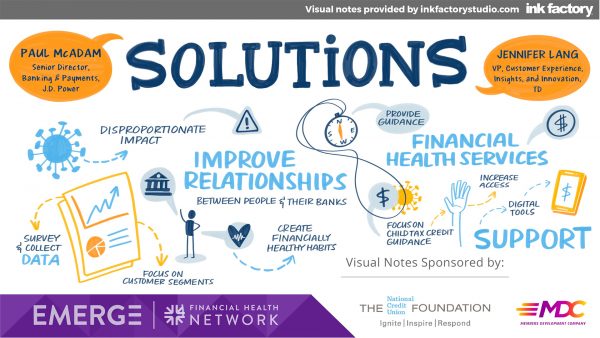
Solutions
Learn what works with insights from industry experts on the types of financial health support consumers want and need from their financial institutions.
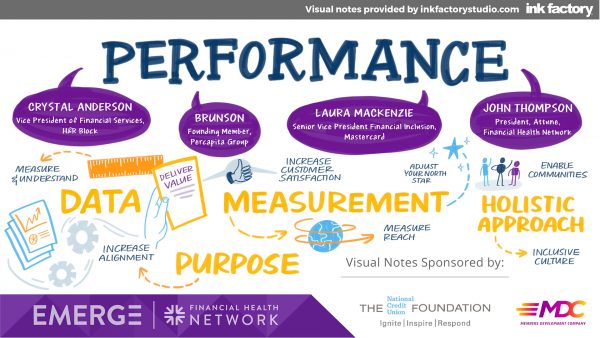
Performance
In this session, hear perspectives from other companies already measuring financial health – the tools they use, and the ways they turn the data into action and impact.
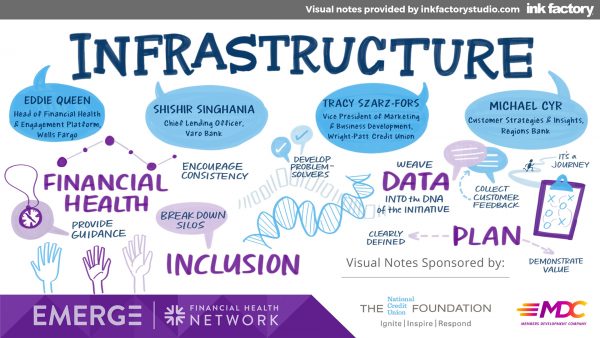
Infrastructure
In this session, learn what to consider when deploying resources at your organization, with insights from companies with unique approaches to building financial health infrastructure.
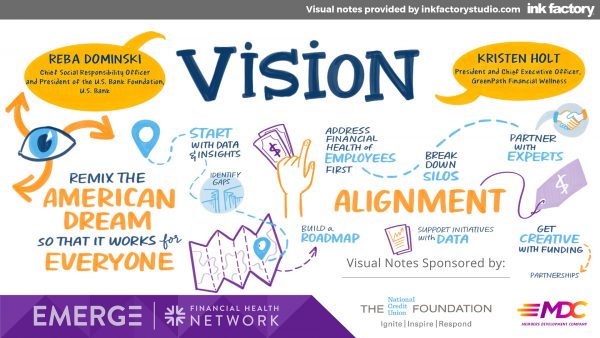
Vision
Join us to hear how financial industry leaders have secured stakeholder buy-in to build financial health strategies, ensured employees understand and can rally behind a shared finhealth vision, and integrated financial health as part of their organizational culture.

Earned Wage Access and Direct-to-Consumer Advance Usage Trends
One in five families has less than two weeks of liquid savings. For the many U.S. workers living paycheck to paycheck, financial distress can occur in the time between earning and accessing wages.

Financial Health and Criminal Justice: The Impacts of Involvement
Across each phase of involvement with the criminal justice system, individuals and their families often experience negative financial health outcomes.

3 Approaches to Using Administrative Data To Measure Financial Health
Choosing the best approach to implement will depend on a company’s proposed use case, available data types, and resources available for analysis.

BlackRock’s Emergency Savings Initiative: An Ecosystem Approach to Partnerships
BlackRock’s commitment to financial well-being has sparked a series of cross-sector partnerships focused on making emergency savings more accessible for low-to-moderate income households. Join Claire Chamberlain, Managing Director of Social Impact at BlackRock, for a deep dive on BlackRock’s flagship philanthropic program and a closer look at their partner-centric approach to proving what is possible and advocating for what it’ll take to shift the entire system.

Bank-Fintech Partnership Powers Financial Health
Join Rochelle Gorey, CEO and Co-Founder of SpringFour, and Ben Schack, Head of U.S. Digital Partnerships for BMO Financial Group, as they discuss their innovative financial health partnership. Learn how this award-winning social impact fintech and multinational bank teamed up to solve problems and deliver assistance for customers through the pandemic and beyond. Discover the impact of their efforts on their employees and brands, and consider tips for successful fintech-bank partnerships.

Our 2021 Visionary Award: The Role of Leadership in Global FinHealth
Joined by our inaugural recipient Dan Schulman, President and CEO, PayPal, Jennifer Tescher, President and CEO, Financial Health Network, and the 2021 honoree, Her Majesty Queen Máxima of the Netherlands, United Nations Secretary-General’s Special Advocate for Inclusive Finance for Development, the discussion will include opportunities to ask questions about the role of leadership in advancing the mission and vision of financial health on a global scale.

JPMorgan Chase’s $30 Billion Racial Equity Initiative
JPMorgan Chase & Co. has committed a groundbreaking $30 billion to providing economic opportunities for underserved communities, especially Black and Latinx communities, over the next five years. This spotlight provides context for how JPMorgan Chase & Co. approaches impact at the local level, how it has integrated financial health, as a key pillar to this work, and how it is holding itself accountable to help reduce the racial wealth gap.

Bank of America’s Essential Solutions for Financial Health
Join us for a conversation with D. Steve Boland, President of Retail and Christine Channels, Head of Community Banking and Client Protection as they discuss how they build and implement solutions like Bank of America Advantage SafeBalance™, Keep the Change®, and their Bank of America Secured Card offering, and how they are tracking and evaluating these products’ impact on customer Financial Health.
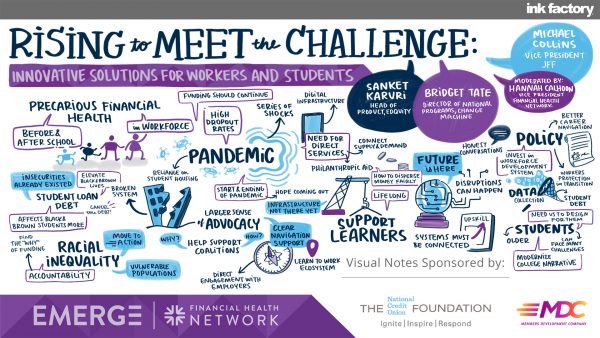
Rising to Meet The Challenge: Innovative Solutions for Workers and Students
Join us to learn how these innovators responded to the challenge, found ways to scale their offerings to meet the pressing financial health needs of the moment, and forged pathways to drive impact post-pandemic. We’ll also introduce attendees to the Financial Solutions Lab Accelerator’s new cohort of fintech startups, as we explore innovations that are helping consumers to build financial resilience and long-term stability.

Oportun Card: Advancing Economic Equity Through Financial Inclusion
Since 2005, Oportun has leveraged AI-powered models and billions of unique data points to extend more than 4 million loans and $10 billion in affordable credit. This inclusive approach has allowed nearly 1 million customers to establish their credit histories. Find out how this deep commitment to understanding customer financial needs led to a new solution for managing income volatility and covering unexpected expenses – the 2020 launch of the Oportun® Visa® credit card.

Capital One’s Affordable Housing Initiative: Bolstering the Financial Health of Underserved Communities
Desiree Francis, Head of Community Finance, will use this spotlight to explain the connection between affordable housing and financial health and how Capital One’s Digital Access (CODA) program pilot intends to improve the financial health of residents living in affordable properties the bank has financed by providing high speed digital access, devices, and digital education to families across the country.

Helping Military Veterans and Military Families Achieve Financial Security
In this session, James Beamesderfer, Vice President, Veterans Initiatives at Prudential Financial talks with Thomas Kastner, Financial Wellness Vice President at Wounded Warrior Project about how this partnership supports the financial health and vitality of military families.

Fifth Third Bank and National Urban League Workforce Development Partnership
Learn how Fifth Third Bank approaches financial health partnerships and explore the great work they are doing with the National Urban League to support communities most impacted by the COVID-19 pandemic, through upskilling and re-skilling services.

Leveraging Customer Data Ethically to Advance DEI
In this session, experts and practitioners will share best practices and a potential roadmap for financial services companies to use customer data ethically to improve financial offerings for underserved groups.
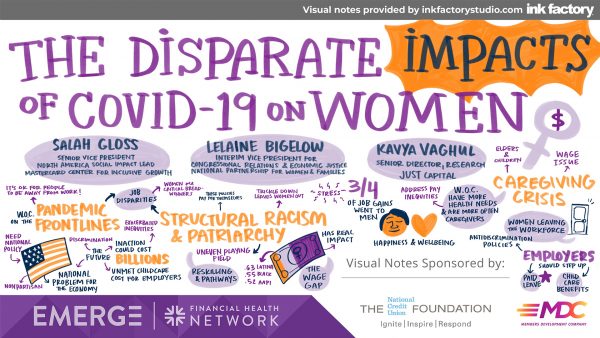
The Disparate Impacts of COVID-19 on Women
In this session, a panel of experts will discuss how the cascading economic consequences of the pandemic are reversing years of progress in workplace equity, and may have long-term implications for women’s financial lives for years to come.
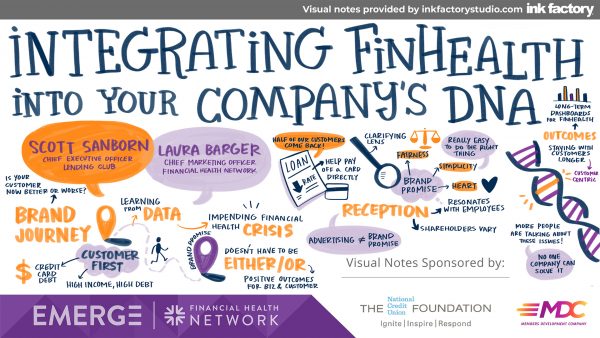
Integrating FinHealth Into Your Company’s DNA
Learn how and why LendingClub made the strategic pivot to prioritize financial health in all of its products and services, how it transformed into a “financial health brand,” and how it’s tracking financial health impacts across its user base to measure success. Walk away with insights to transform your own organization’s financial health business strategy.

The Evolving Role of Fintech in FinHealth
In this discussion, learn and share perspectives with financial health experts to start planning for the future of fintech and finhealth.
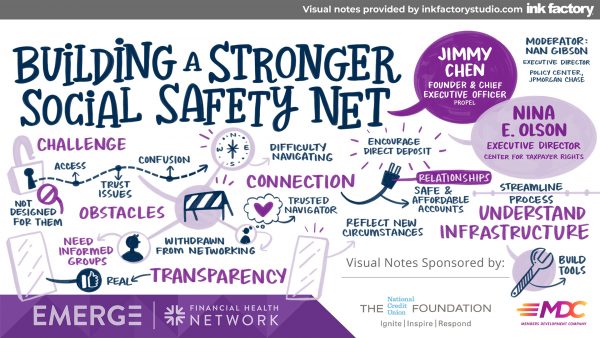
Building a Stronger Social Safety Net
In this session, we will explore ways that financial institutions, policymakers, and industry leaders can come together to better support Americans relying on the social safety net, both today and in the future.
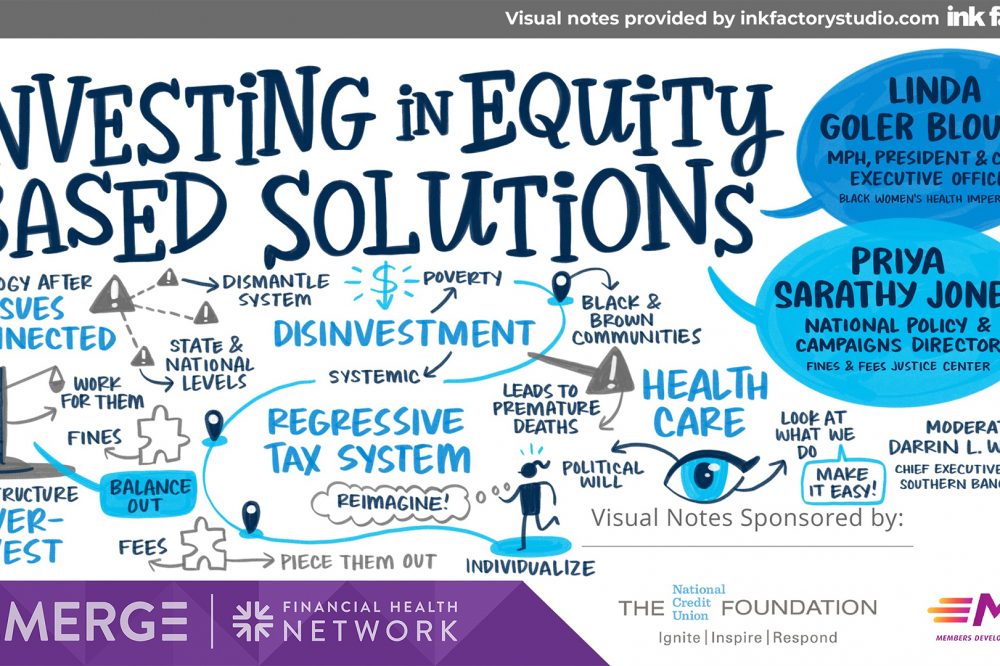
Investing in Equity Based Solutions
In this panel discussion, hear from leaders in healthcare, financial services, and workplace about ongoing efforts to drive equitable outcomes for all and the role of financial health in this critical movement.

Addressing Racial Wealth Gaps With Action and Innovation
This keynote address will also highlight opportunities for financial institutions to lead conversations, address disparities, develop solutions, and drive widespread impact for millions of people.

Who’s Leading Our FinHealth Future?
Systems, industries, organizations, and leaders are all rising to the challenge and opportunity to make financial health the lens through which we emerge from the pandemic better than before. Financial health must be more than a program or a promise if we are to meet the moment we’re in. It must become a movement, and the movement needs leaders who are accountable to its outcomes.