
Sunny Day Fund: Helping the Entire Workplace Thrive With Emergency Savings
Recognizing employers were ideally positioned to help workers save, Sunny Day Fund launched a solution that drives employee resilience and business impact.

BlackRock’s Emergency Savings Initiative: Helping More Americans Save
Recognizing that millions of Americans lack short-term savings, BlackRock set out to discover how to help more families build a financial safety net.

The Rise of Emergency Savings Programs: What Every Employer Should Know
Join our President and CEO Jennifer Tescher and personal finance expert Suze Orman as they discuss emergency savings as a relatively new worker benefit.

Impact and Learnings From BlackRock’s Emergency Savings Initiative
Learn how the Financial Health Network’s partnership with BlackRock’s Emergency Savings Initiative (ESI) has contributed to millions of people building a financial safety net since 2019.

Building Savings for Frontline Workers
Hear from experts and partners at BlackRock’s Emergency Savings Initiative (ESI) on successful approaches and lessons learned through delivering emergency savings solutions to frontline workers.

3 Ways To Measure the FinHealth Effects of Emergency Savings
This research was produced by the Financial Health Network in collaboration with BlackRock’s Emergency Savings Initiative (ESI). ESI is a cross-sector program with a mission to help people living on low to moderate incomes gain access to and increase usage of proven savings strategies and tools – ultimately helping them establish an important safety net.

Emergency Savings, Combined with Support Networks, Reduced Hardships During the Pandemic
This research was produced by the Financial Health Network in collaboration with BlackRock’s Emergency Savings Initiative. ESI is a cross-sector program with a mission to help people living on low to moderate incomes gain access to and increase usage of proven savings strategies and tools – ultimately helping them establish an important safety net.

BlackRock’s Emergency Savings Initiative: An Ecosystem Approach to Partnerships
BlackRock’s commitment to financial well-being has sparked a series of cross-sector partnerships focused on making emergency savings more accessible for low-to-moderate income households. Join Claire Chamberlain, Managing Director of Social Impact at BlackRock, for a deep dive on BlackRock’s flagship philanthropic program and a closer look at their partner-centric approach to proving what is possible and advocating for what it’ll take to shift the entire system.

Behavioral Design and Removing Barriers to Emergency Savings
Learn how lack of emergency savings can hinder financial resiliency, and how workplace automated savings contribution programs can help, in this panel discussion.

Reflections on Emergency Savings: Before, During, and After a Crisis
In this session, we reflect on the immediate and long-term impact of the COVID-19 pandemic on Americans’ financial health and discuss potential solutions.

Etsy Gets Creative: Helping Sellers Build Emergency Savings
By Chandni Ohri, Director, Financial Health Network In October 2019, Etsy signed on to BlackRock’s Emergency Savings Initiative as one of the inaugural partners because they recognize the challenge and importance of emergency savings for their sellers. Emergency savings is one of the building blocks to improving financial health. In fact, the recent U.S. Financial…

Announcing the Inaugural Partners: BlackRock’s Emergency Savings Initiative
The Financial Health Network joined forces with BlackRock and fellow nonprofit leaders Commonwealth and Common Cents Lab to address the savings challenge with a focus on finding corporate and organization partners that are committed to helping their employees, students, and communities change their savings behavior and thrive.
Retronovation #4: Compartmentalizing Emergency Savings
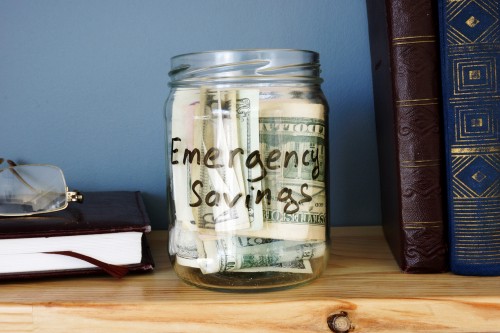
Keeping a cache of savings for use in emergencies is hard. And it’s hardest for low and moderate income households whose incomes are often volatile and who thus need to tap emergency savings most often.

U.S. Financial Diaries: Emergency Savings
Standard financial literacy curricula recommends that households should have at least three months of income set aside in emergency savings.