 Home
HomeThe Real Cost of Being a Black Entrepreneur: Wande’s Story
As a nonprofit co-founder, Wande is confronting funding inequities head-on while building an organization that puts community and workers first.
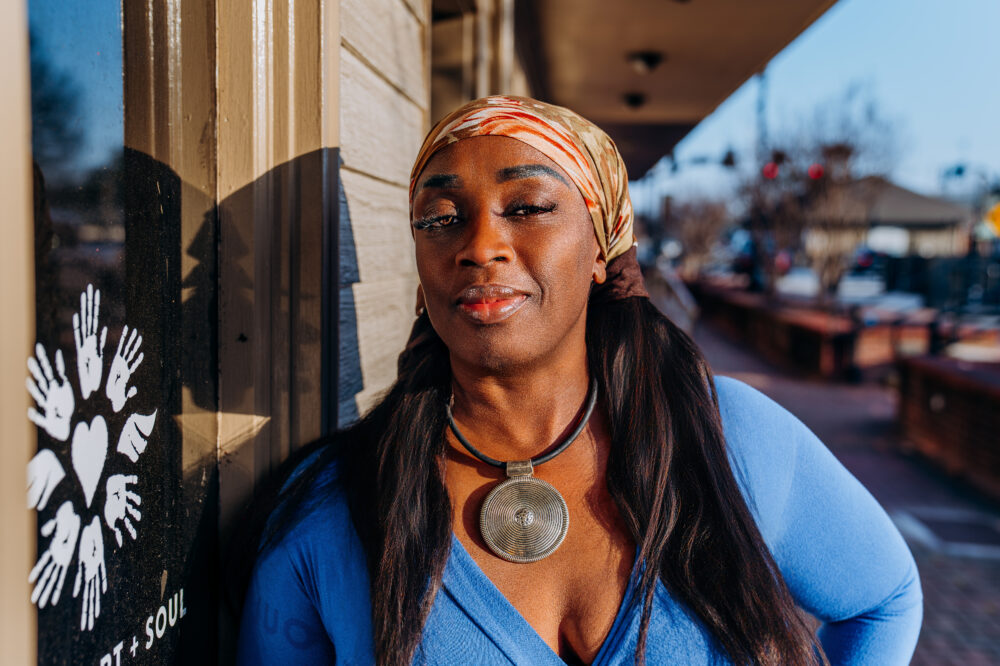
For Wande Okunoren-Meadows, entrepreneurship was an expectation, not an aspiration. Her parents, both originally from Nigeria, viewed it as the family norm. When her mother bought a childcare center while Wande was in college, she quickly began working there, learning the ins and outs of the family business.
The childcare center is in one of the lowest-income counties in metro Atlanta, Georgia. Wande, who still lives and works in the metro Atlanta area, saw how the center’s lack of resources affected its workers, many of whom struggled to make ends meet with low pay and no healthcare benefits. Wande knew she wanted to run an organization that strengthened the community while also prioritizing employee needs—a dream that led her to launch her own nonprofit.
In 2018, Wande and her mother co-founded Hand, Heart + Soul Project, a nonprofit that nourishes children and families through access to nutrient-dense foods, holistic health and education programs, and advocacy outreach. Starting the nonprofit required a hefty investment of both her time and personal money, and navigating entrepreneurship as a Black woman has come with challenges, from securing funding to battling misperceptions in the workplace. Research shows these challenges may be holding some Black women back from entrepreneurship: Both single women and Black households are underrepresented among entrepreneur households.
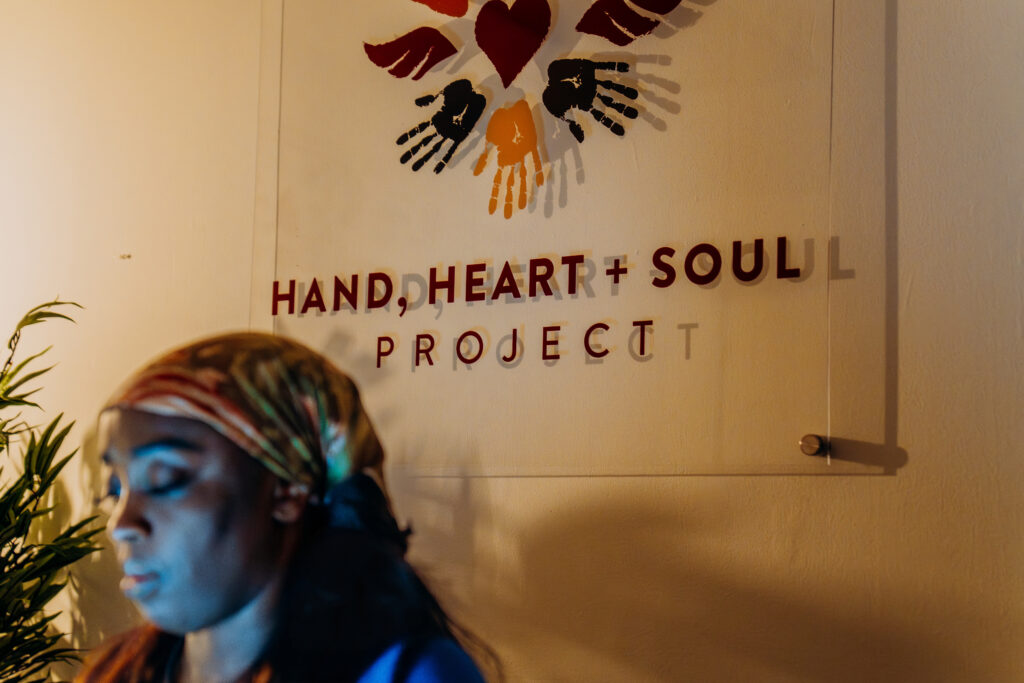
As a co-founder of the Hand, Heart + Soul Project, Wande has to fight against bias and chronic underfunding.
Today, Wande has found some financial success as a nonprofit leader. Yet rising costs of living are stretching her budget thin. As a newly divorced mother of three, she faces financial challenges common among single women across America, who are nearly half as likely as married women to be Financially Healthy. Increased pressure to do more with less has left Wande wondering how to make her work sustainable long-term.
Here’s her story.
When I was growing up, entrepreneurship was pretty much normalized. I didn’t choose this path; it definitely chose me. I followed my passion, which was in the community, making sure that children, communities, and families had opportunities and access.
When my mother said that she had purchased a childcare center, even though I was in college, I knew I was going to be joining the family business. That was just part of the cycle—you support your family. Nobody is going to ensure your success like your blood.
I have never worked so hard in my life as I did at that center. And I think my hourly rate ended up being, like, 0.0001 cents an hour. It was long, grueling hours.
-
Wande founded the Hand, Heart + Soul Project to help provide much-needed resources to the community she grew up in.
-
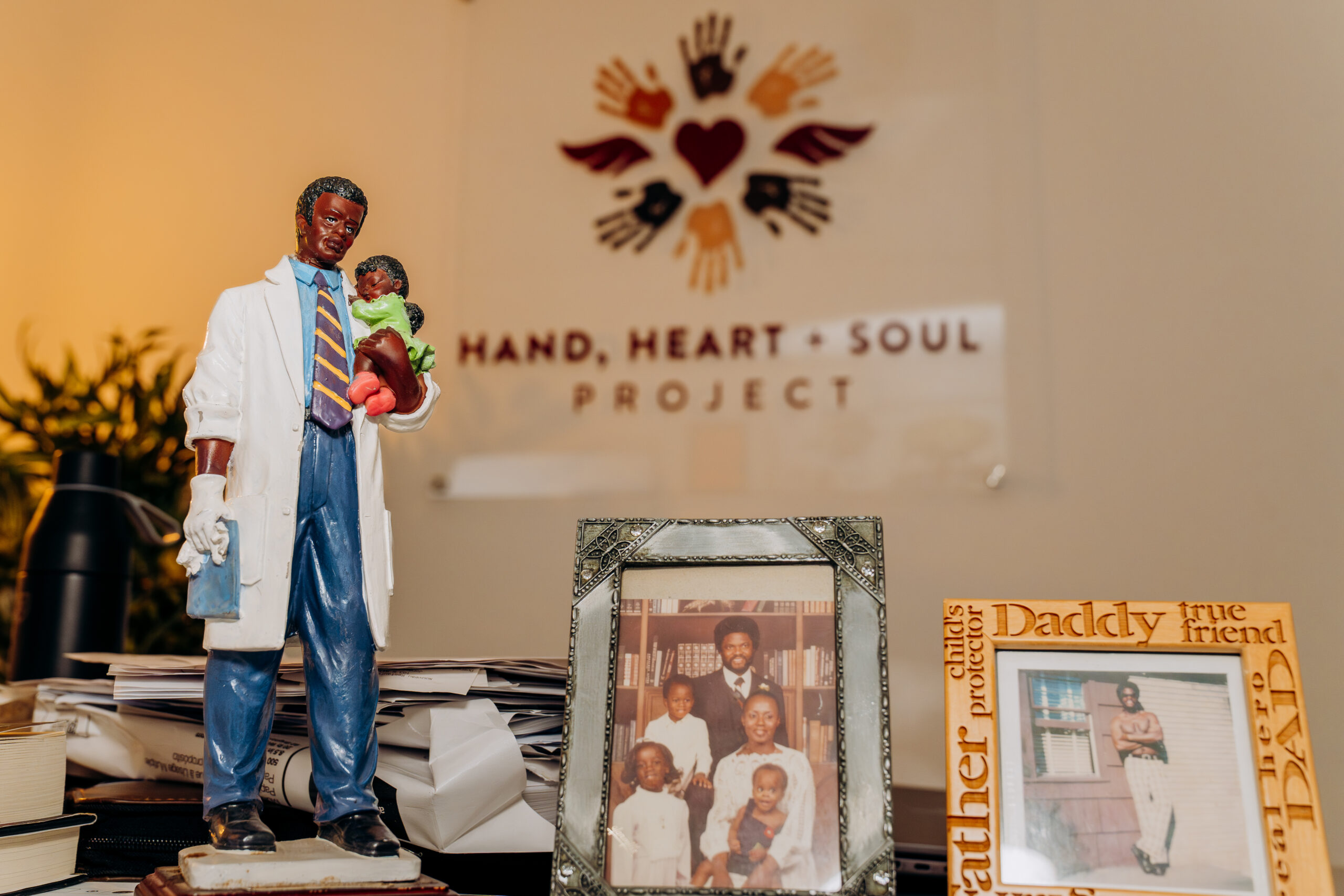
Wande's parents were the first to inspire her entrepreneurship.
My mother followed higher accreditation standards, and we’re inside an economically disadvantaged area. Some of the children who we’re serving aren’t coming from homes where the median income is high. We are not able to charge what our value is really worth. If we’re running at a financial loss, that means we’re not able to pay what we want to pay the teachers. So it’s this vicious, ugly cycle that keeps going on and on.
The business could not afford to pay educators healthcare. I was seeing our staff call out of work for a tooth abscess, and it was going to put them back on their rent for just missing one day. And so I said, “If I get an opportunity to start my own nonprofit, I have to get healthcare insurance.”
The childcare center was an incubator for me. If we were going to scale, I felt at the time that a nonprofit was the best way to do it. Whatever we’re doing for the community, I want to make sure that we are treating ourselves just as good.
The Realities of Running a Nonprofit
I used my own personal money, and my mother used her own personal money, to start Hand, Heart + Soul Project. I’m also grateful for another individual who helped start the organization with some seed money, and for our first major grants from United Way of Greater Atlanta and SunTrust (now Truist). That combination of funding put us on the path to grow the organization.
My first year as an executive director, I made, like, $4,000. The second year, I made less than $30,000. And it’s not like I can go back and say, “Hey, I’m going to recoup what I should have made.” Those were just losses.
All the things that I saw that we weren’t able to do at the center, I wanted to make sure, for our nonprofit, we did that. The first thing I did: We got 401(k), we got vision, we got healthcare, we got dental. Last year, we paid 99% of healthcare costs for our staff. I also make sure we give cost-of-living increases every year. I’m really proud of that.
As a Black woman founder, I am scrutinized to a different degree. I think my passion is seen as aggressiveness. The ways that I am perceived can be seen as confrontational.
Hand, Heart + Soul Project has faced constant, chronic underfunding. I feel that there’s a constant need to prove legitimacy, that we are worthy. The same organization that might give a non-Black organization $50,000 or $100,000, I may get a $5,000 grant from them. And I’m supposed to do a grant report and get on the phone four times a year about what I did with that $5,000. But you just gave this other organization $50,000 with no questions.
I have clean audits, self-imposed audits. When I had nothing, when I wasn’t required to do audits, I was doing audits. I also have an internal director of finance, an accounting firm, and a CPA I work with closely. I don’t play when it comes to money. I feel the need to self-monitor, not to prove anything, but to ensure the work stays funded and set the path for other Black-led organizations to get funded.
-
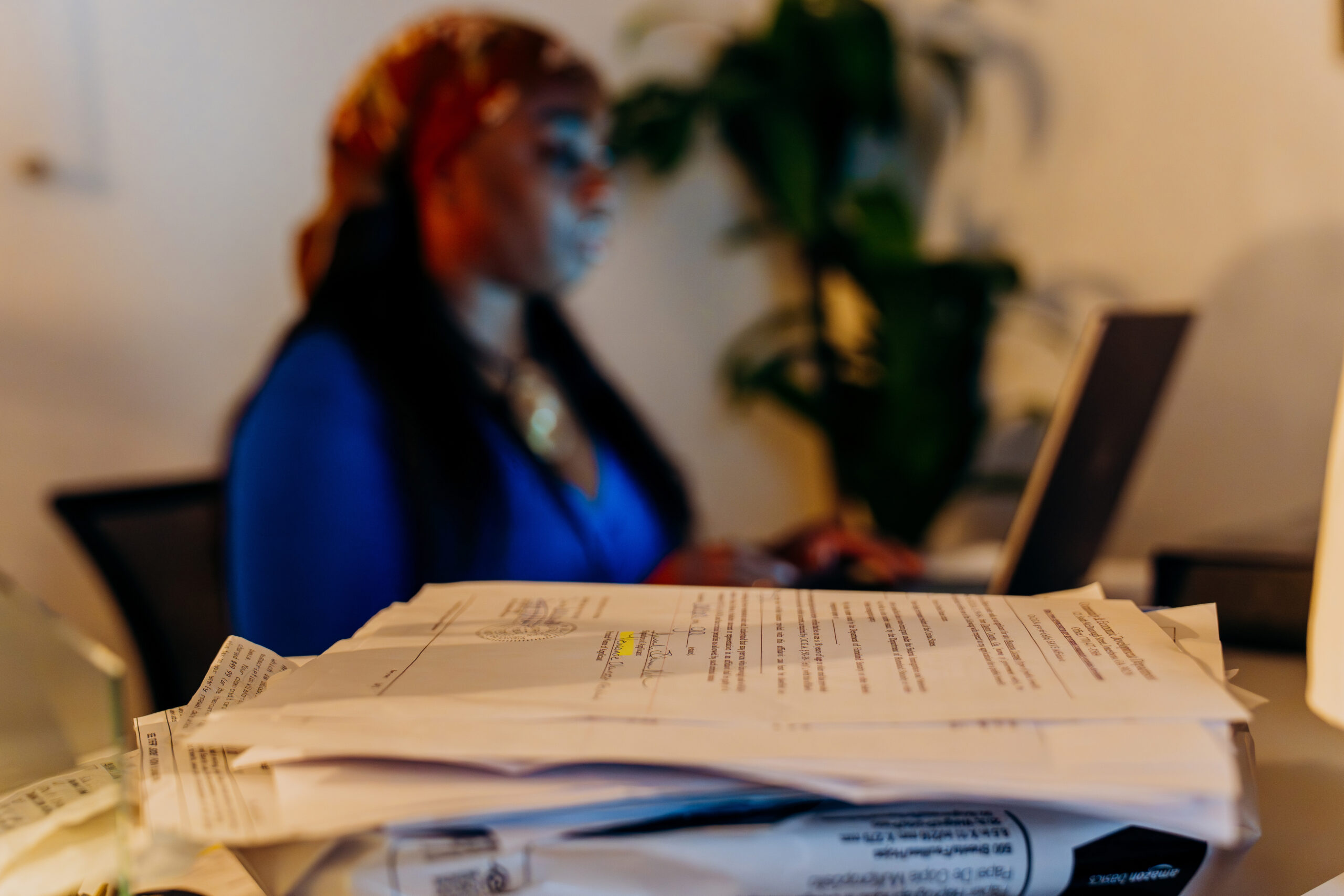
Wande has found that her work is scrutinized more, and her funding is given more requirements, than that of her white peers.
-
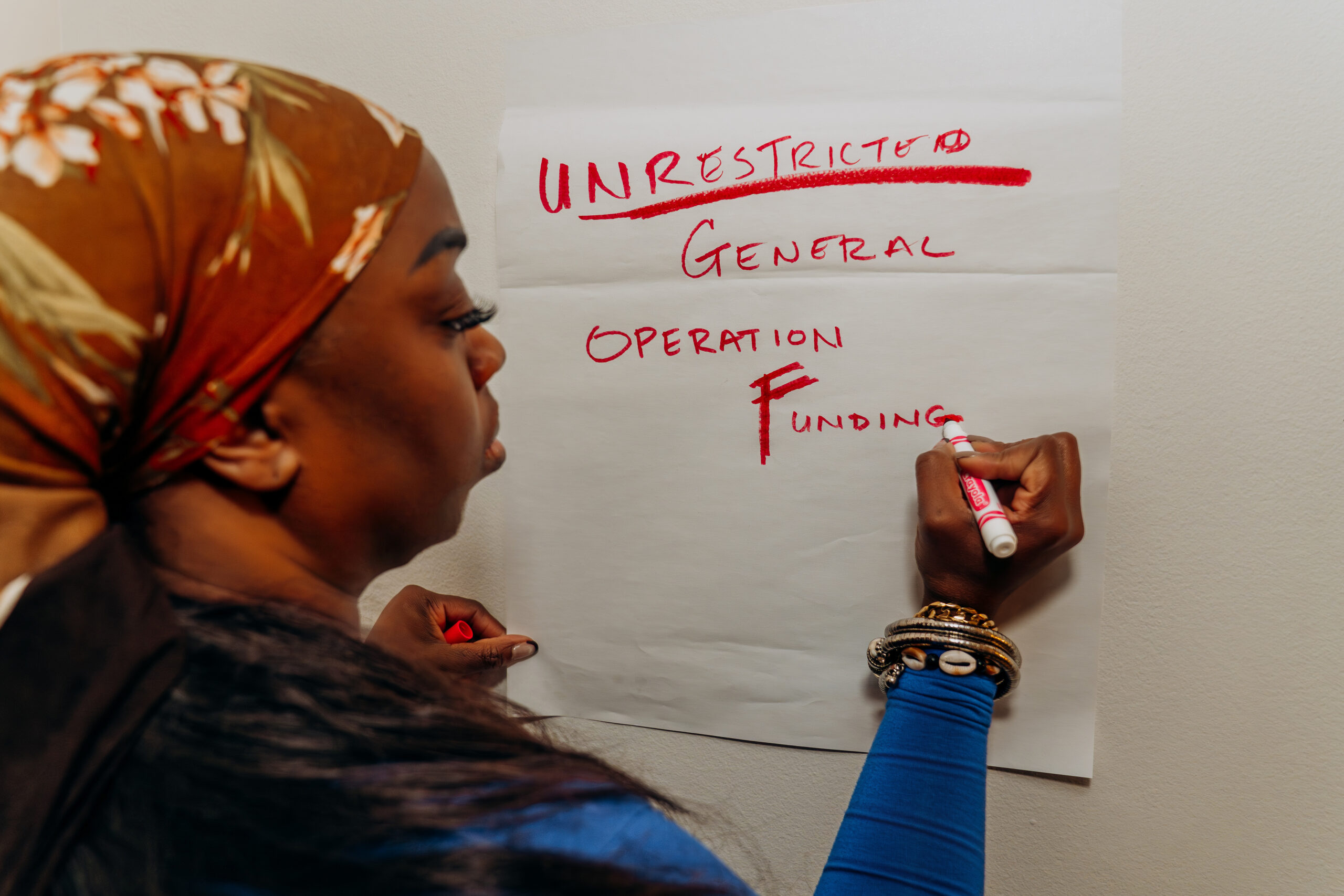
Wande says that unrestricted funding is the most helpful way to help her nonprofit thrive.
In 2024, we prepared for the administration change. I was prepared for [funding] cuts. What I was not prepared for was the grieving process that goes along with funding cuts and having to lay off staff.
There’s this narrative saying, you’ve got to do more with less. That doesn’t make sense. So when I’m writing a grant, and I’m getting ready to write down, “I know we said we were going to do this five times a week, but now our grant funding is being cut down 50%. Now we’re going to have to do it two times a week.” Those are the internal challenges I’m facing.

“What I was not prepared for was the grieving process that goes along with funding cuts and having to lay off staff.”
2025 showed me the importance of not depending on one income. The unpredictability of the federal government has shown that. And I encourage our own team; I want them to be able to obtain multiple streams of income, as long as it doesn’t conflict with their work here.
The old system is that your job must consume your entire existence, leaving no room to pursue additional sources of income. We’ve got to think differently. Otherwise, we are going to continue to be prisoners to a system that is not meant for us to thrive.
Weathering Rising Costs of Living
As a single mother, a large part of my budget goes to healthcare. It goes to my 401(k), my mortgage, car note, food, and the general needs of three kids. Tuition, extracurricular stuff, clothes. A weave and Black hair care for me and my kiddos. My hair is my crown, and if my hair is out of order, it affects my mood. And a joy fund. I don’t have a lot of money for this right now, but everyone needs to have some funds set aside for going to the movies or a restaurant with their family. We are not robots.
-
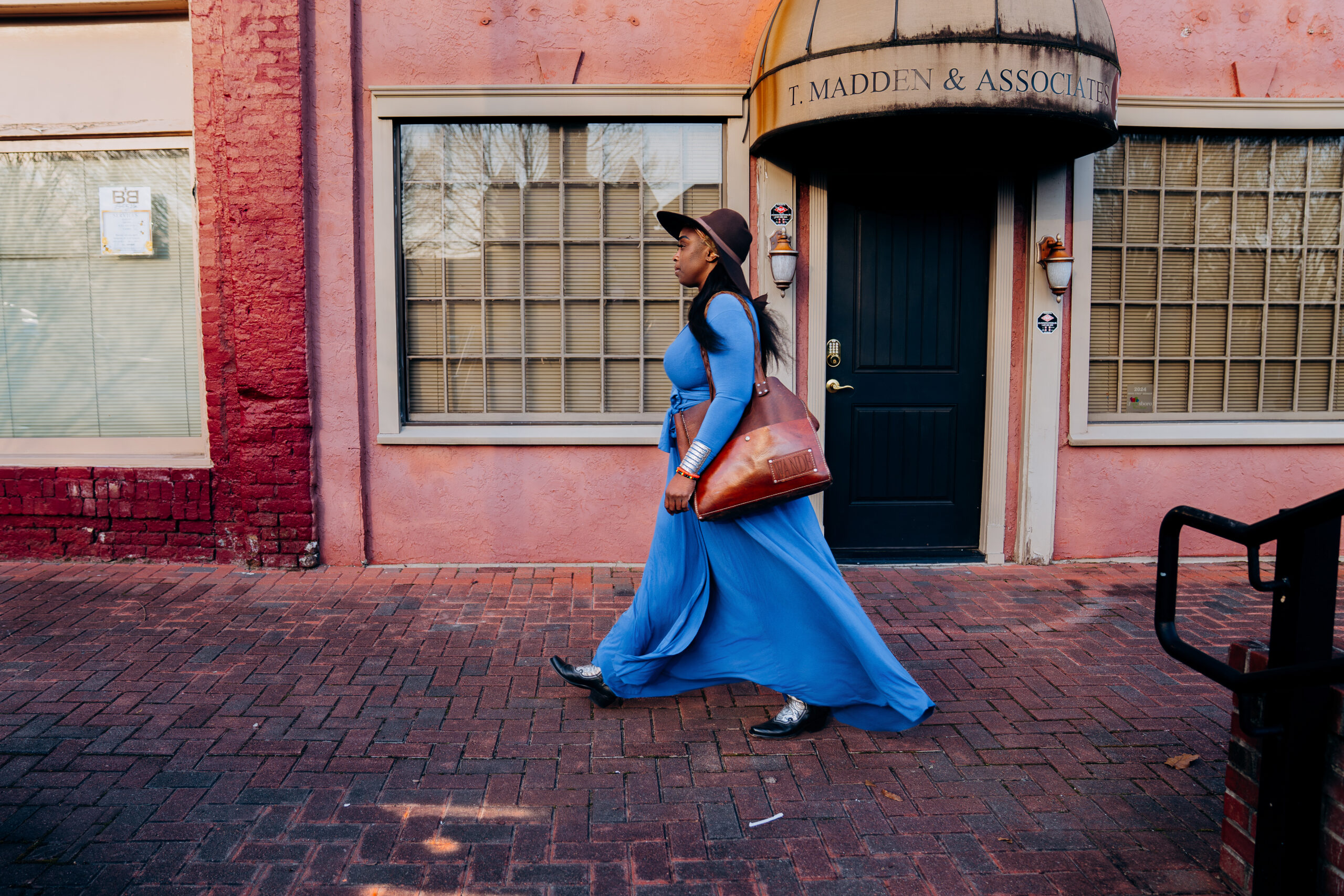
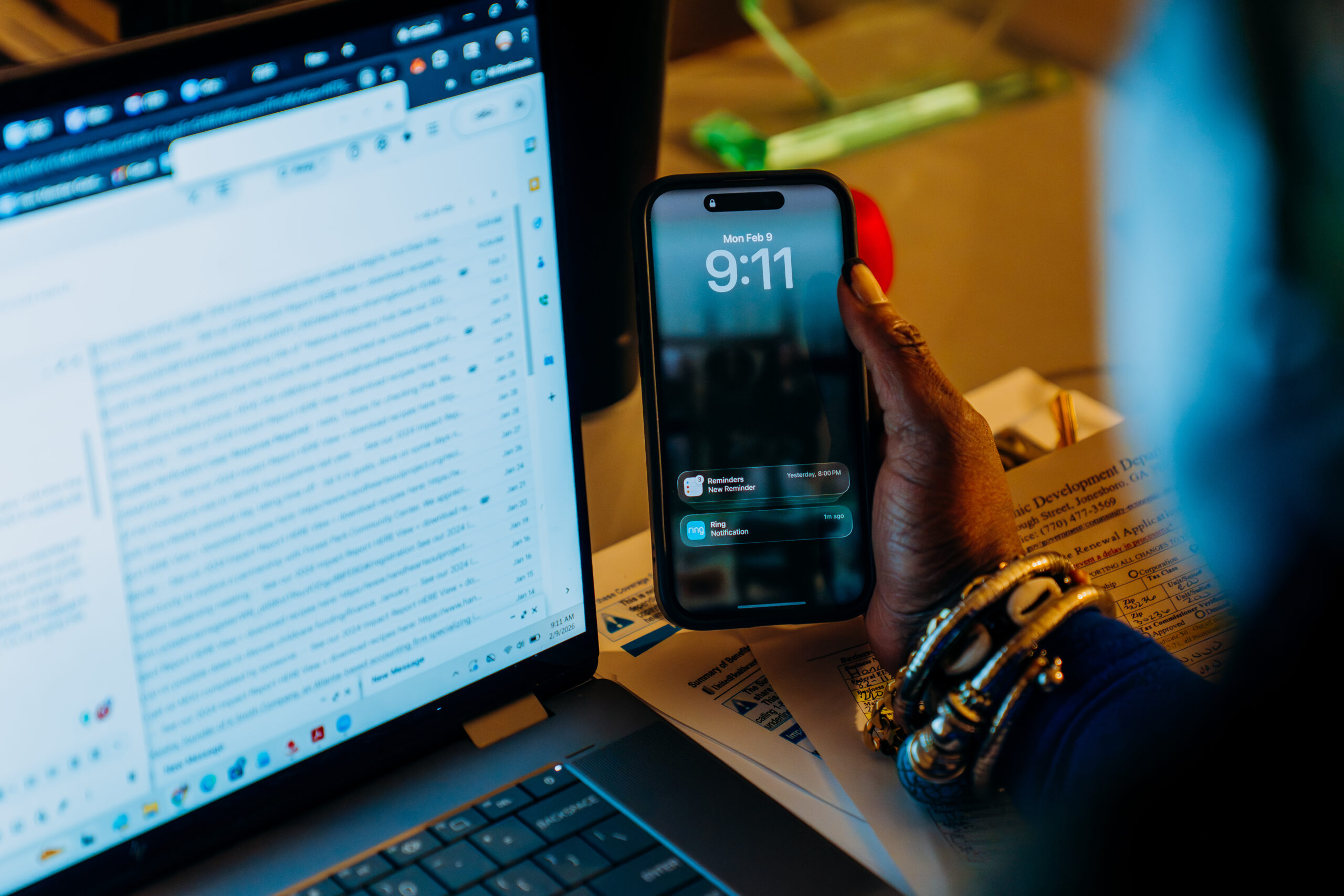
As a nonprofit leader, Wande frequently has to work late into the night.
-
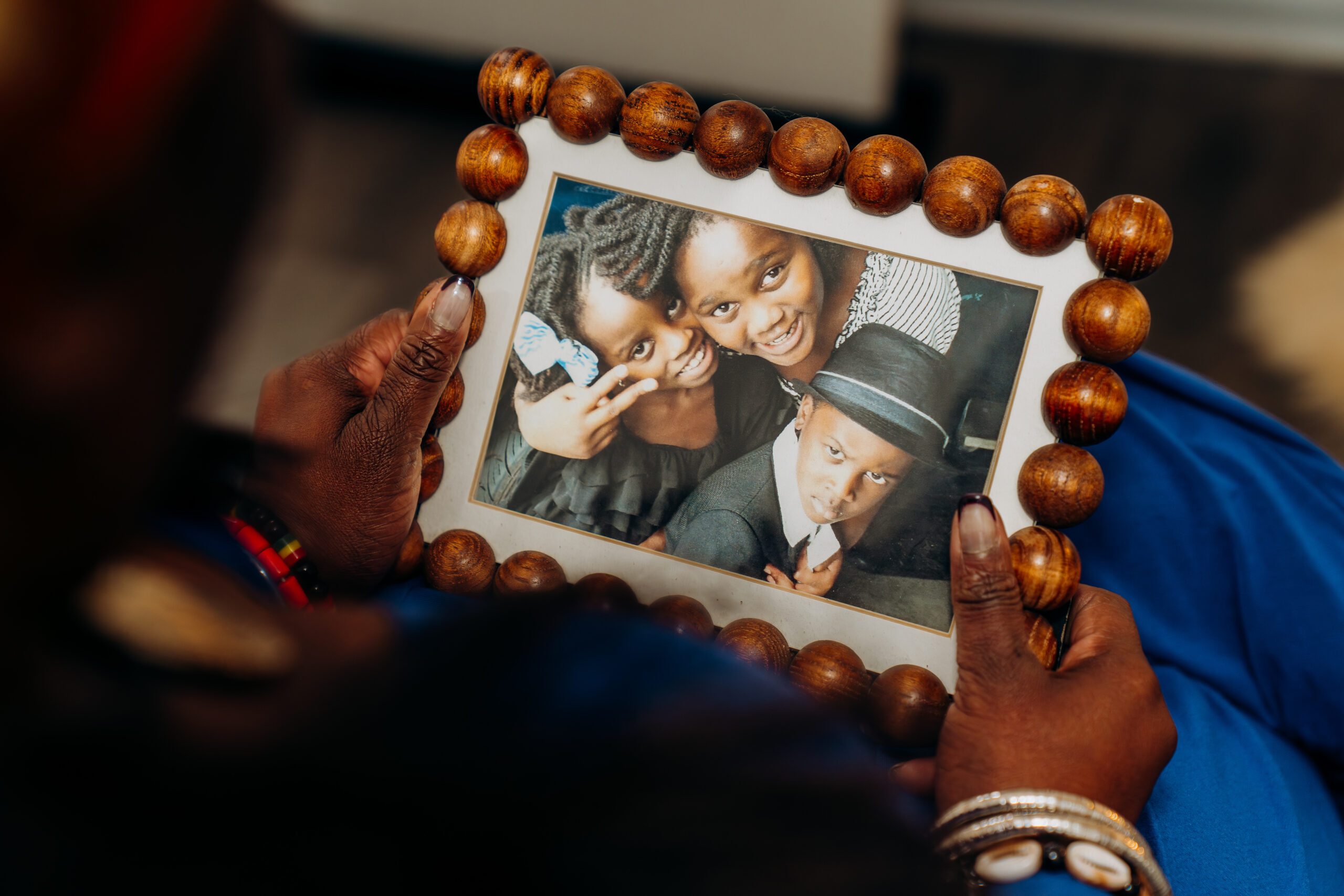
Wande has to balance running her nonprofit with her role as a single mother to three children.
-
As cost of living goes up, Wande is finding it increasingly hard to cover her living expenses with her salary as a nonprofit leader and entrepreneur.
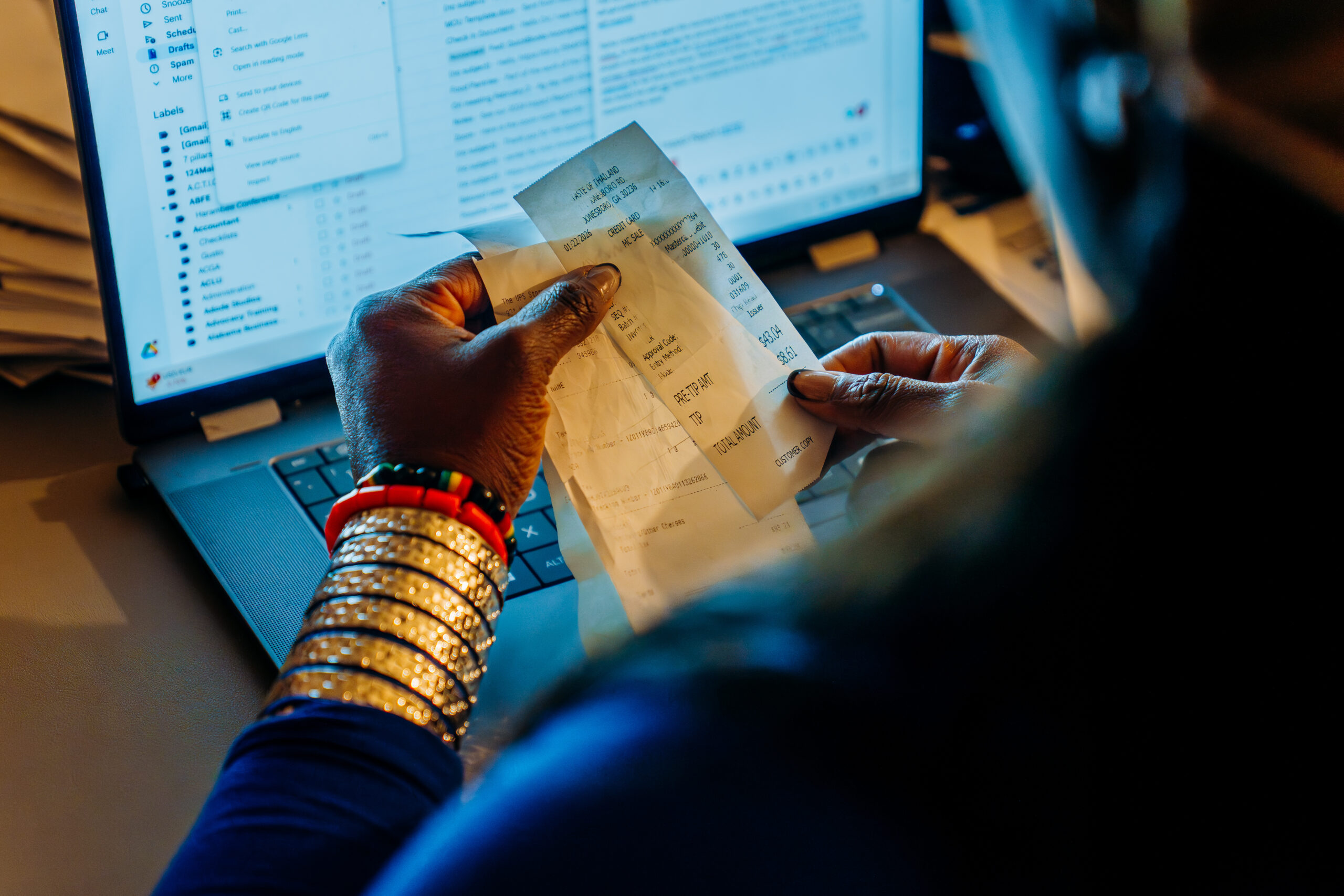
The compensation I earn as an entrepreneur and founder is absolutely not enough. Especially with student loans. I am amassing more interest right now because I still haven’t paid off all my student loans. And I’ve been out of school for a long time. I worry about those loan payments that need to be repaid, and paying for three college kids. That’s generational debt.
I think my finances are going to continue to get tighter. I’m going to have two kids in college. That’s going to mean more plane trips, more travelling. It’s going to continue to increase.
Every now and then, self-doubt can creep in. But we know the work is good. We know that these systems are not designed for us, and we just have to keep moving.
“My hair is my crown, and if my hair is out of order, it affects my mood. And a joy fund. I don’t have a lot of money for this right now, but everyone needs to have some funds set aside for going to the movies or a restaurant with their family. We are not robots.”
-
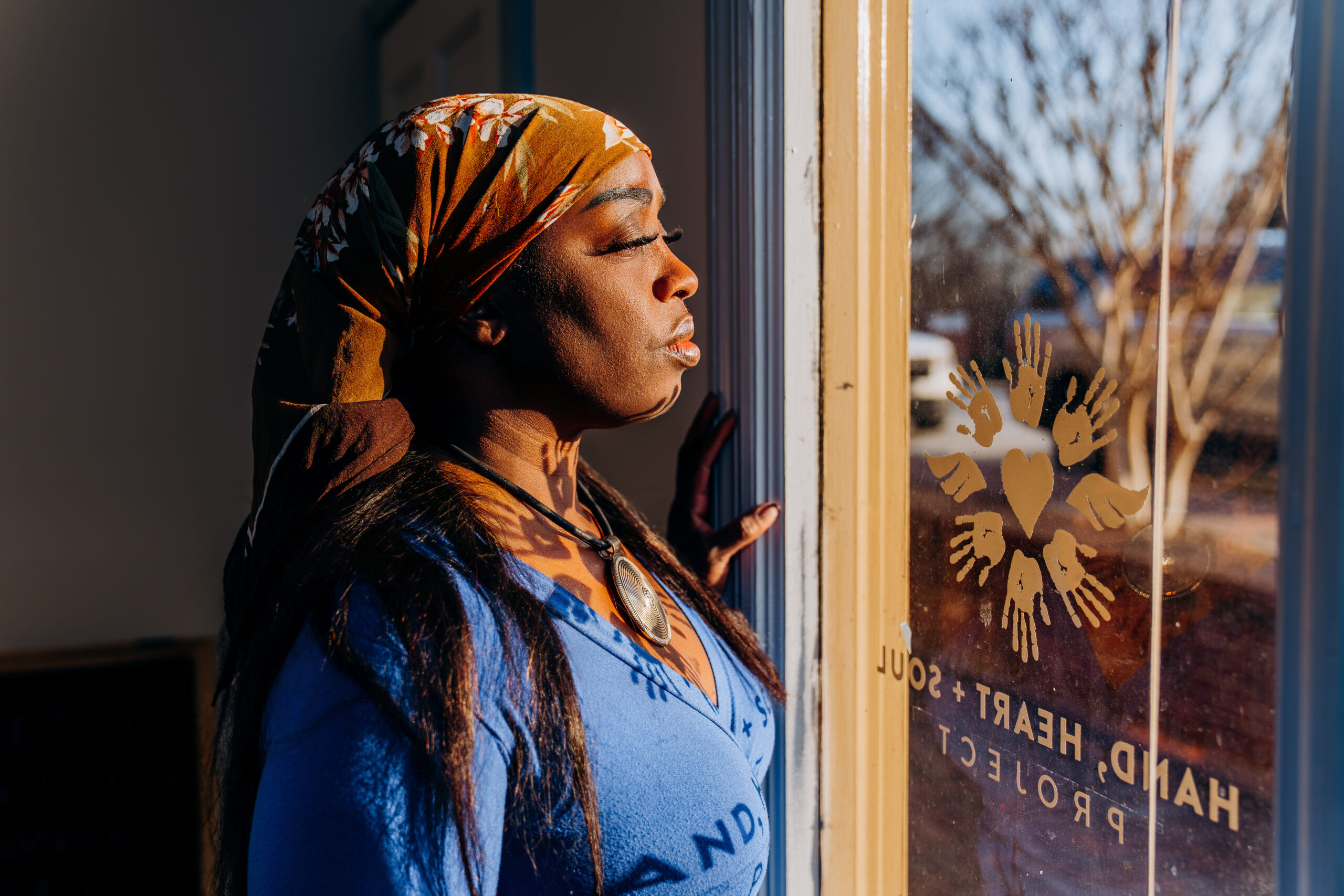
Wande's hard work and personal sacrifices have helped both the children in her community and the workers she employs, despite systemic roadblocks.
Growing numbers of people are starting businesses, but Black women like Wande face greater barriers to both launching and sustaining an enterprise. The gap is especially stark in the nonprofit sector: 62% of majority Black-led nonprofits have budgets below $100,000, compared with 21% of majority white-led nonprofits.
When organizations can’t secure adequate funding, that strain often falls on workers in the form of lower wages, limited benefits, and financial instability. Research shows that employees at small nonprofits are more likely to struggle to pay bills on time and lack emergency savings. As the sector faces ongoing staffing shortages, strengthening the financial health of the 12 million nonprofit workers powering America’s social safety net is increasingly urgent.
Wande has worked hard to provide healthy, sustainable conditions both for the communities she grew up in and the workers she employs. Funders, policymakers, and the broader financial system all have a role to play in helping Black entrepreneurs like Wande succeed, from expanding access to capital to easing restrictive reporting requirements. Entrepreneurship isn’t equitable now, but it doesn’t have to remain that way.
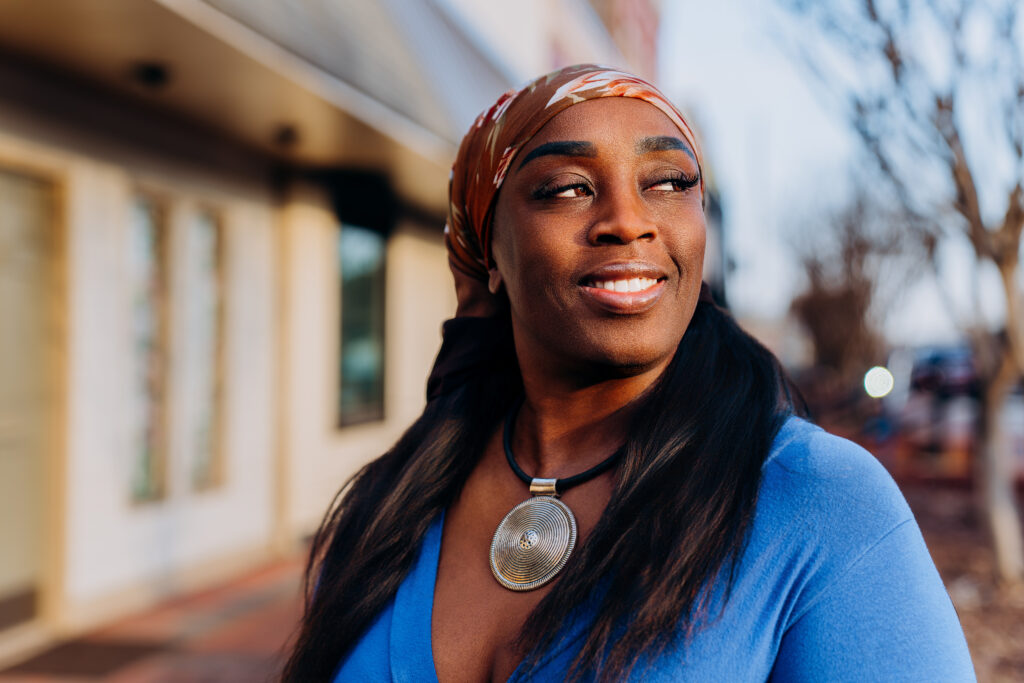
Higher and less restrictive funding can help Wande access the same level of entrepreneurial support that many of her white peers already get.
Read More Human Stories
From Poverty to a College Degree: Angel’s Story
Without a financial safety net, one college graduate’s journey to a diploma was paved with setbacks and plenty of resolve.
Still Striving for Financial Independence: Becky’s Story
Entering adulthood has come with ‘curveballs’ that her parents never faced, and an increasingly uneven playing field to catch up.
600 Job Applications, No Offers: Zerui’s Story
After earning his master’s with honors last year, Zerui is getting by on low-wage work while he continues to apply for jobs. Still, he remains hopeful.
Explore More Research

The Financial Health of Nonprofit Workers
America’s 12 million nonprofit workers play a vital role in our economy, yet many lack the job benefits needed to support their financial health.

Pulse Points: Financial Health Differences Among Entrepreneurs
More people across the U.S. are starting businesses than ever before. What is the relationship between entrepreneurship and financial health?

The Gender Gap in Financial Health
The Financial Health Network’s research has consistently shown a sizable gap in the financial health of men and women. Moreover, recent data found that while financial health improved overall for the country during the pandemic, the gap between men and women actually widened.