Capital One Is Latest Bank to Ditch Overdraft Fees
Capital One Financial Corp. said it will stop charging customers overdraft fees, making it one of the largest banks to do so.

Have fintechs cracked the financial inclusion code?
Financial Health Network President and CEO, Jennifer Tescher, joins on Bankshot podcast at the Money 20/20 conference in Las Vegas, Nevada.

Family Caregivers Need a FinHealth Lifeline
The role of care in our economy has entered the national spotlight, yet there’s still much we don’t know about the financial and economic consequences of caregiving.

Financial Solutions Lab Launches Eighth Accelerator Challenge Seeking Fintech Companies Addressing Racial Wealth Gap and Financial Health of LMI Communities
The Accelerator seeks applications from financial technology companies focused on helping low- to moderate-income (LMI) and Black and Latinx communities expand access to benefits and financial tools that help them to maintain key safety nets and improve their financial health.
The newest fintech bank account is for the formerly incarcerated
If you were to look at fintech apps at random, you’d quickly spot ones that help you collect your paycheck earlier, settle up IOUs and invest your money. If you spent a little more time digging, you might uncover banking apps designed for immigrants, Black Americans and the LGBTQ community. What you likely wouldn’t notice are products built for the formerly incarcerated. Until recently.

A New Alabama Law Brings Opportunities, Challenges for Reentering Citizens
For the nearly 600,000 Americans who return to their communities from incarceration each year, reestablishing financial stability and access to safe financial products is key to improving financial health. For many returning citizens, lack of ID can limit employment and housing opportunities. There are several reasons returning citizens may leave incarceration without ID: They may […]
How paid leave can be a financial safety net for your employees
During this past year, we’ve heard countless stories about workers having to take time off or quit their jobs to tend to a serious illness or care for loved ones throughout the pandemic.
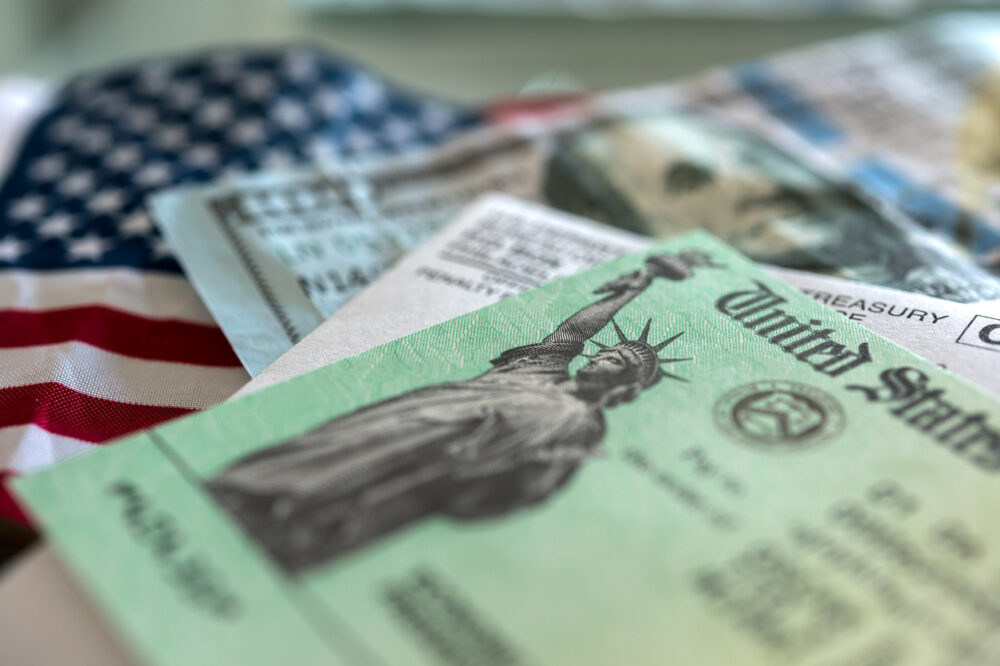
Financial Uncertainty in America: 2021 Financial Health Pulse Shows Government Aid Improved Financial Health but Gains at Risk as Relief Programs Subside and Pandemic Lingers
Two-thirds of Americans still financially unhealthy with particular challenges facing women, LGBTQ+ communities, and people with disabilities; inequities remain by race and gender.

Increasing the Financial Health & Employment Opportunities of Returning Citizens
To help lower barriers to financial health and improve employment outcomes for returning citizens, the Financial Solutions Lab has awarded grants to five nonprofit and fintech partnerships working across the United States as part of our 2021 Exchange cohort.
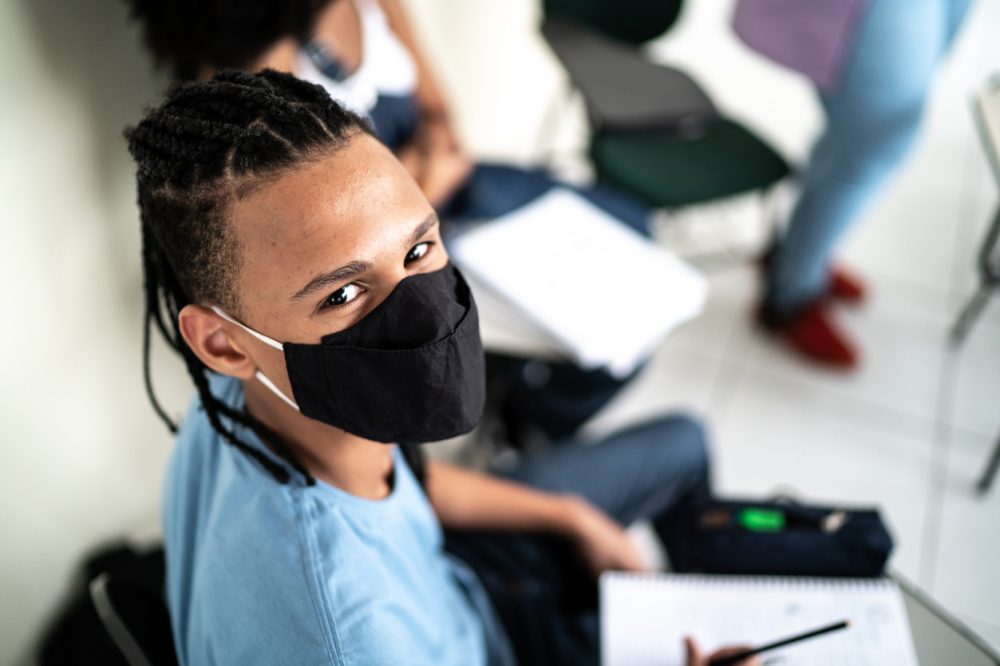
Financial Health Innovation from America’s Youth
Young people in America are channeling their problem-solving abilities into innovative finhealth solutions through Prudential Emerging Visionaries. Presented by Prudential Financial

I bought my kids dinner — and saw firsthand how overdraft fees punish the poor
Like many people who are or have ever been poor, I have plenty of stories about the costly and embarrassing ramifications of overdraft fees.

Fintech and vulnerability
Fintech is having an enormous impact on the financial affairs of some of the most vulnerable in society.