
A 60-year-old worker in Texas says she’s dependent on apps that let her get paid early: ‘They get you hooked on having that money’
Between 2018 and 2020, transaction volume on wage-access apps tripled.

The pandemic made Earned Wage Access apps popular. Regulators want to rein in the fees
Many of these apps charge monthly subscription fees, and most charge mandatory fees for instant transfers of funds.

These apps allow workers to get paid between paychecks. Experts say there are steep costs
When Anna Branch, 37, had her hours at work reduced in 2019, she suddenly noticed ads for an app called EarnIn.

Protecting Americans’ Financial Health in the Face of Climate Change
Our recent Member-exclusive Executive Roundtable surfaced three opportunities for organizations to help people weather the financial impact of natural disasters.

Alumni Spotlight: Championing Financial Health Across Sectors
Meet two Financial Health Network alumni who have gone on to new industries to influence financial lives at scale.
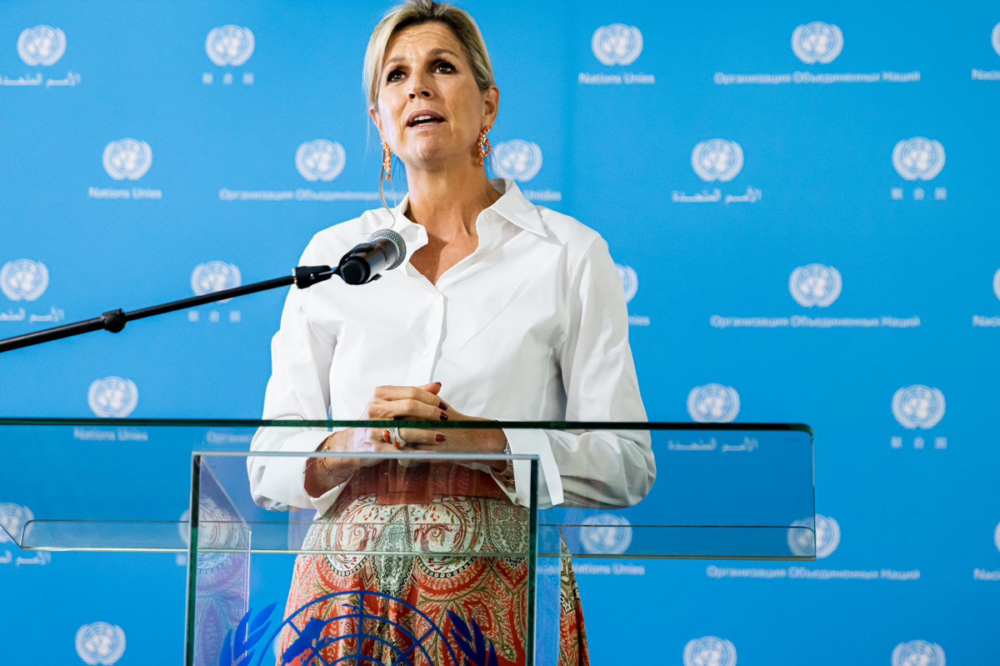
Visionary Spotlight: Reflections from UN Secretary-General’s Special Advocate Queen Máxima
Our 2021 Financial Health Visionary Award honoree shares why she’s committed to financial health and key opportunities for the movement in its next chapter.

Reps. Beatty and Kim Advocate for Financial Capability to Promote Economic Freedom for Americans
Today, Financial Literacy and Wealth Creation Caucus Co-Chairs Congresswoman Joyce Beatty (OH-03) and Congresswoman Young Kim (CA-40) introduced a resolution to recognize April as Financial Literacy Month to increase public awareness of the value of financial capability and the need for sound money management practices.

Is Money Making You Sick?
The stress of doing your taxes is likely behind you, but there are plenty of other money worries keeping people up at night.

Propel: Helping Families Make the Most of Their Government Benefits
Find out how a fintech innovator partnered with the Financial Health Network to transform the public benefits experience for millions of users.

To Retain Workers, Consider Paying Them More Often
You can test out a more frequent payroll schedule or offer on-demand access to earned wages as an employee benefit.

New FDIC economic inclusion plan melds inclusion and community development
The Federal Deposit Insurance Corp. released a revised economic inclusion strategic plan Thursday, aiming to advance people's personal financial stability by encouraging lending in underserved communities.
‘Not all fintech is good for people’: Jennifer Tescher
Only a third of Americans are financially healthy, according to Tescher, who founded the Financial Health Network.