
The Complexities of Caregiving: Financial Health and the Aging Crisis
Research overwhelmingly shows that health shocks can have dramatic and long-term implications for financial health. This is especially true for the elderly. Among all the statistics, it is clear that there will be more elderly people dependent on fewer younger people with an ever-increasing list of challenges, making financial health for all less attainable.

Start Here: A Step-by-Step Guide to Impact Evaluation
Understanding why you want to conduct impact evaluation is the first step in determining how you should do it.

The Case for a Place-Based Approach to Financial Health
By Necati Celik Associate, Financial Health Network Place is security, space is freedom: we are attached to the one and long for the other. Yi Fu Tuan, 2001: 3 There’s no place like home. Due to the pandemic, home has now become both the workplace and the playground for many of us. But what is…

Motivating Change: Behavioral Economics and Financial Health
By Heidi Johnson Director, Financial Health Network Director Heidi Johnson joined the Financial Health Network team in 2019 to lead our work applying behavioral insights to the design and delivery of financial health products. She comes to our organization from the Consumer Financial Protection Bureau, where she led a behavioral research program and contributed to…

Turning the Tide: Addressing Climate Change and Financial Health
By Eric Wilson Senior Associate, Financial Health Network As a data analyst at the Financial Health Network, I spend a lot of time with our U.S. Financial Health Pulse data set, searching for possible drivers of financial health. So, when combing through survey participants’ descriptions of shocks to their household finances, I found a number…

Financial Solutions Lab Announcements
Fintech has a powerful role to play in solving financial health challenges in a more inclusive way.

The Financial Lives of Older Adults in the Era of COVID-19
By Jacquelyn Reineke, Manager and Heidi Johnson, Director, Financial Health Network There is no denying that the COVID-19 crisis has turned the world upside down. Everyone has had to deal with daily changes to their routines and come to terms with a new normal, but vulnerable populations — in particular, aging Americans — have faced the most devastating consequences…

How Insurance Must Evolve to Serve Customers in Crisis
By Sarah Parker, Senior Director, Financial Health Network In the midst of the economic crisis brought on by the COVID-19 pandemic, consumers are realizing that insurance is not a nice-to-have; it’s a must-have. Life insurance carriers report a marked increase in interest from new customers who want to purchase policies, as people recognize the importance…

A Broken Criminal Justice System Impacts Financial Health, Too
By Josh Sledge, Senior Director and Arjun Kaushal, Associate, Financial Health Network The tragic murder of George Floyd at the hands of police has once again brought the inequities of the criminal justice system into focus. The violence captured on film has rightfully drawn a passionate response, as protestors demand justice for Floyd and an…
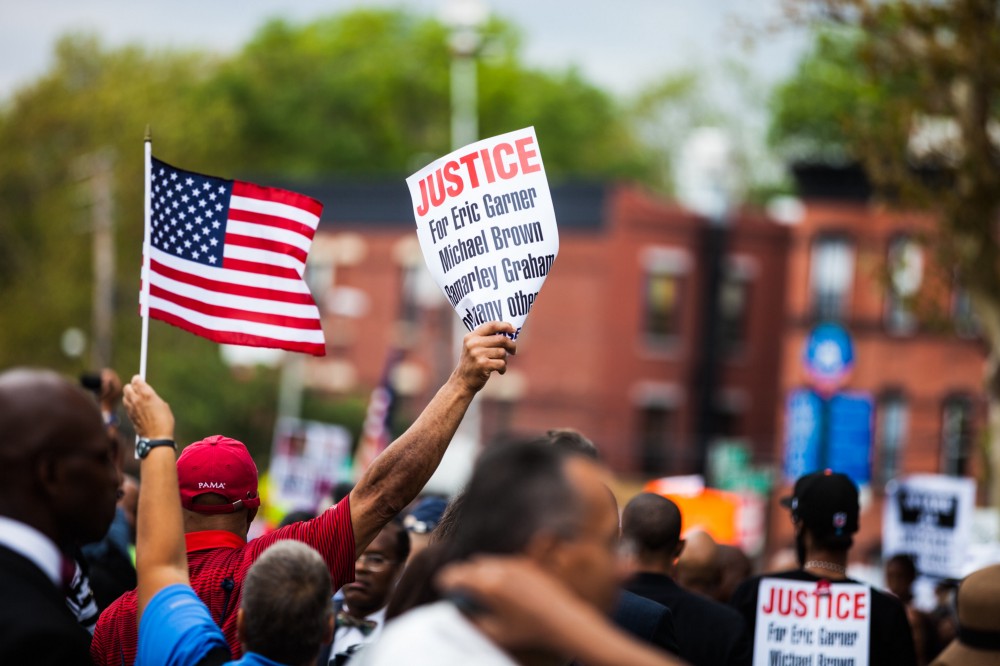
Speaking Out About Racial Discrimination: A Letter To Our Staff
This blog by Jennifer Tescher was shared with the Financial Health Network staff in the wake of the murder of George Floyd at the hands of police and the protests and civil unrest that have followed: Putting emotions into words is hard right now.

Speaking Out Against Racial Discrimination
The Financial Health Network shares the grief and anger of Americans everywhere as we struggle to process the recent and senseless deaths of black people as well as the ensuing public demands for accountability. We unequivocally condemn any and all forms of racism and discrimination, and we recognize the pain and trauma being inflicted on […]

New Pulse Data: Those Who Need COVID-19 Stimulus Most Are the Last to Get It
By David Silberman, Senior Advisor, Financial Health Network The COVID-19 pandemic has caused widespread economic dislocation. Tens of millions of Americans have lost their jobs, at least temporarily, and millions more have seen their hours drastically cut. Those job and wage losses have fallen disproportionately on low-wage workers, especially blacks and Latinos, who are concentrated…