
Measuring Financial Health in the Middle of a Pandemic
To measure the financial health of customers amid the economic devastation of COVID-19, organizations can leverage their own existing data and evaluate the rate of change in these metrics over time.

Financial Peace of Mind May Be Key Banking Product in COVID’s Wake
As America continues to reopen, banks and credit unions have an opportunity to show consumers how to regain their financial footing in an economy walloped by coronavirus closings. Ultimately, helping create financial well-being could mean more than product sales.

Reopening the Workplace with an Eye on Financial Health
When COVID-19 hit our economy, workplaces were focused on reacting and responding (often in real time) to address and mitigate the fallout to their business and workforce. The toll on both has been substantial. Every workplace and every worker has been impacted, and industries like retail and hospitality and low- and moderate-income workers have borne […]

Over 33 Million Americans Lost Their Job During the Pandemic
Optimism is high among workers that they can return to their pre-pandemic jobs, but economists warn over 40 percent of job losses could become permanent. Read the Article >>

Fintech for All: Closing the Generation Gap in a COVID-19 World
For older generations, who face the greatest health risks from COVID-19, the need to shift their financial management systems online is critical, but several key barriers deter older adults from adopting fintech products and services.

Digital Backup: Fintech Solutions to Support America’s Most Vulnerable
More than 33 million Americans have filed for unemployment since March – a new record. Yet even during the economic expansion of the last decade, the U.S. Financial Health Pulse shows that only 29% of Americans are considered financially healthy.

Dear Bankers: Don’t Return to Your Old, Shareholder-First Ways
Millions of Americans have already received their economic relief payment from the government, and millions more will be receiving it in the coming weeks, in an effort to stave off severe financial woes amid the coronavirus pandemic. Read the Article >>

Poll: Half Of Americans Financially Affected By Coronavirus
Half the country has been personally economically impacted by the coronavirus pandemic, and overwhelming numbers of Americans do not think schools, restaurants or sporting events with large crowds should reopen until there is further testing, according to a new NPR/PBS NewsHour/Marist poll. Read the Article >>

How to Manage Money in a Pandemic: A Behavioral Research-Based Approach
We have compiled behavioral science research on financial decisions to understand the challenges people may be facing and share our tips for how to spend savings and rework bills and debt to support financial health in a pandemic.
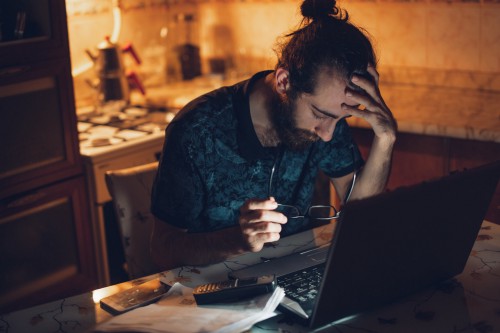
Bearing the Brunt of COVID-19: Fears and Challenges of Financially Vulnerable Americans
By Thea Garon, Senior Director and Andrew Dunn, Manager, Financial Health Network The COVID-19 pandemic and its economic fallout are likely to have the largest impact on those who are already struggling financially. Survey data from the University of Southern California and the U.S. Financial Health Pulse show that Financially Vulnerable Americans believe they are…

Strengthening the Student Safety Net During COVID-19
Even before the pandemic, the lives of financially struggling students were overwhelmingly complex. For financially vulnerable students, a disruption this large can have devastating long-term impacts, including failure to re-enroll once the pandemic ends.
Lack of Savings Worsens the Pain of Coronavirus Downturn
Many of the millions of restaurant, hotel and store workers affected by shutdowns are expected to fall behind on rent and other bills.