
New Research from Financial Health Network Shows 90% of Working-Age People with Disabilities are Not Financially Healthy
Report also finds that 93% of people with disabilities are unfamiliar with ABLE Accounts, the primary tool offered by the government for building and maintaining assets without losing public benefits
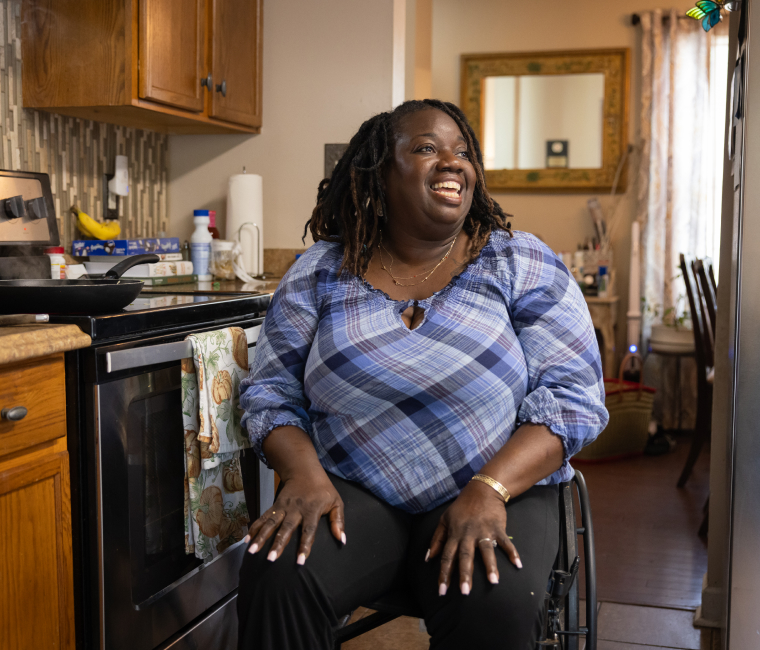
‘People Completely Overlooked Me as a Consumer’: Melanie’s Story
What does it feel like to navigate a bank branch as a disabled person? Melanie, who uses a wheelchair, opens up about her experience and shares lessons for the industry as part of our in-depth report on the financial health of people with disabilities.

The Hidden Costs of an ‘Invisible’ Disability: Simone’s Story
Unexpected expenses often mean stretched budgets for disabled people. As part of our in-depth report on the financial health of people with disabilities, 21-year-old Simone shares her experience.
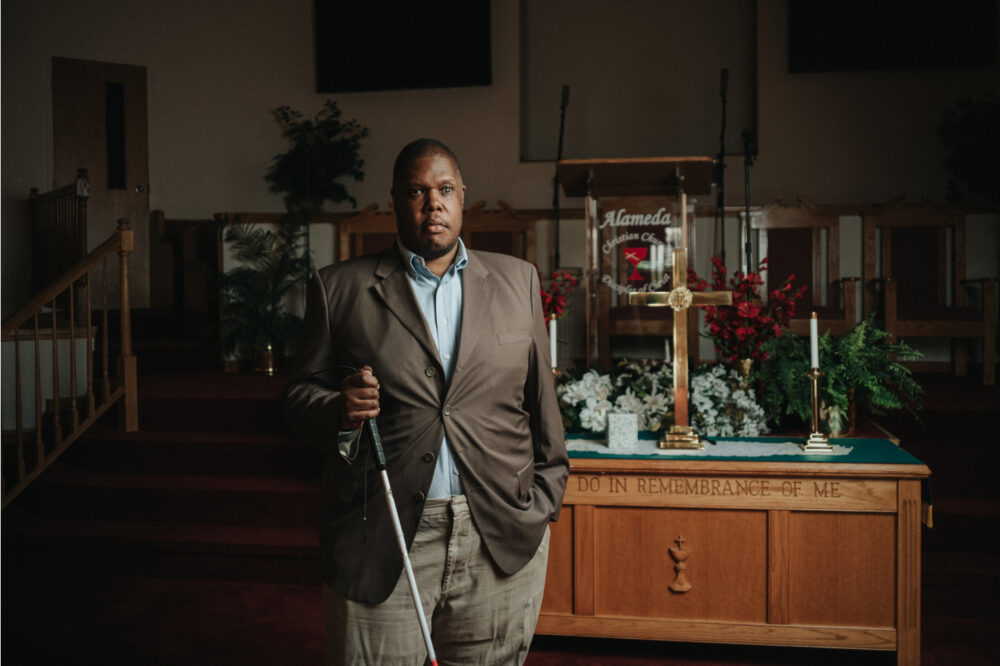
A Former Banker Navigates Life Through a New Lens: Jonathan’s Story
While working in the banking industry in his early thirties, Jonathan began to lose his eyesight. When he told his manager he was having trouble seeing his computer screen, her response was clear: You’re on your own. Ultimately, Jonathan left his banking career due to a lack of accommodations. He held a few other jobs until blindness forced him to stop working completely.

“Buy now, pay later” plans can rack up steep interest charges. Here’s what shoppers should know.
Although U.S. consumers have embraced "buy now, pay later" loans in part because of marketing claims that they offer zero-percent financing, shoppers should be on their guard. Some BNPL products charge exorbitant interest rates, along with heavy fees when you miss a payment, according to Consumer Reports.

New Buy Now, Pay Later Loans Come With More Risks
Companies like Affirm, Klarna, PayPal, and Sezzle that offer interest-free pay-in-four loans also provide longer-term loans that can have high interest rates, confusing consumers.

The Fed has a new instant payment system. Here’s what it means for you.
Officials hope FedNow will allow Americans to send and receive money in real-time around the clock.
Boosting financial health benefits in the small business workplace
During National Small Business Week in May, the nation celebrated the important role that Main Street businesses play as an economic driver for their communities. Yet even as the focus on employee wellbeing, and financial wellbeing in particular, grows in importance among human resources and benefits leaders, millions of small businesses – particularly historically underestimated businesses led by entrepreneurs of color – are unable to access the types of benefits and solutions that can help their employees thrive financially.

The time to change your overdraft policy was yesterday
My colleagues at Financial Health Network recently released research citing that amid government policy overhauls and renewed regulatory attention to overdraft and NSF fees, understanding when, how, and why members overdraft should inform further shifts in credit union practices and regulatory actions.
When do student loan payments resume? Here’s what today’s Supreme Court ruling means for the repayment pause.
The finances of about 40 million Americans with college loans may take a hit now that the Supreme Court has struck down President Biden's plan to forgive up to $20,000 per person in student debt.
A return to “normal” debt – financially vulnerable left behind
The economy has been through the wringer for the past few years. Skyrocketing inflation in the wake of the COVID-19 pandemic brought with it a series of rapid rate rises that still may not have reached an end.

Americans paid 14% more for financial services last year: Report
Consumers spent $347 billion on interest and fees in 2022, up from $304 billion the previous year, according to a report from Financial Health Network, a nonprofit organization that focuses on improving Americans' financial outcomes.