
Alumni Spotlight: Building Better Communities
These Financial Health Network alumni are now focused on solutions that help small businesses and communities thrive.

Protecting Americans’ Financial Health in the Face of Climate Change
Our recent Member-exclusive Executive Roundtable surfaced three opportunities for organizations to help people weather the financial impact of natural disasters.

Alumni Spotlight: Championing Financial Health Across Sectors
Meet two Financial Health Network alumni who have gone on to new industries to influence financial lives at scale.
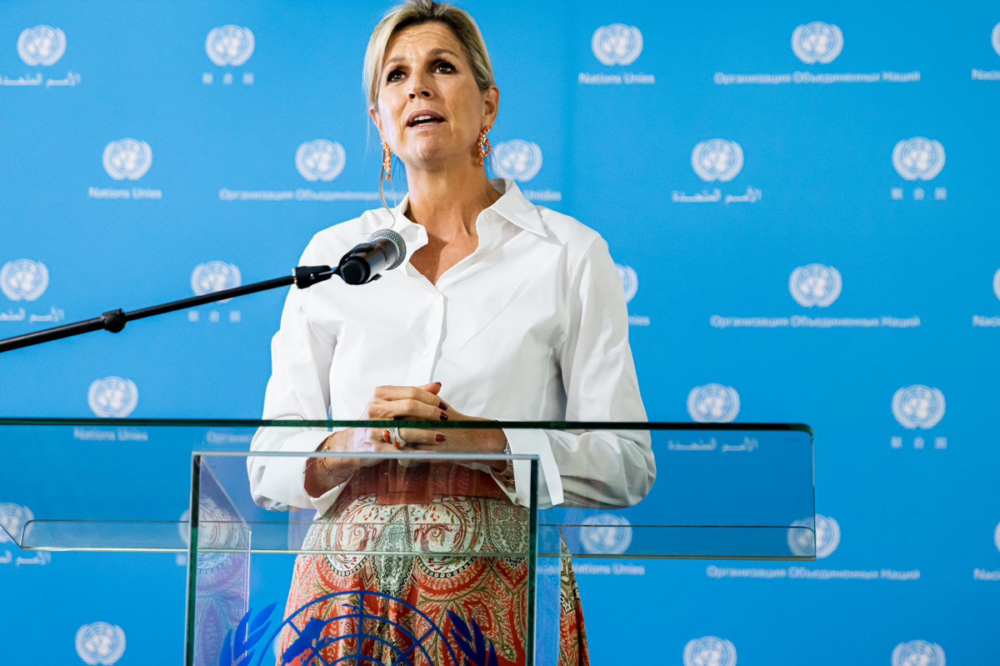
Visionary Spotlight: Reflections from UN Secretary-General’s Special Advocate Queen Máxima
Our 2021 Financial Health Visionary Award honoree shares why she’s committed to financial health and key opportunities for the movement in its next chapter.

Alumni Spotlight: Celebrating the Women Shaping Financial Health
In honor of Women’s History Month and 20 years of financial health, we’re highlighting two women who have been a critical part of our journey and progress.

To the Women Who Came Before Me, and Those on Their Way
A personal reflection from our Senior Director, Workplace and Financial Health Equity, on the financial barriers women have endured across generations and how to break the cycle.

These Black Founders Are Paving the Way Toward Equity in Financial Health
In honor of Black History Month, we’re spotlighting three Black founders and FSL alumni who are on the forefront of racial equity in financial health.

Global Financial Health Launch Decision: Send ’Em!
The demand for a global financial health platform that supports meaningful business investment is there. We just need the collaboration to make it happen.

Nonprofits and Fintechs Improving Benefits Access: Our 2022 Exchange Grantees
The Financial Solutions Lab has awarded grants to three partnerships that make up our 2022 Exchange cohort. The nonprofit and fintech organizations in the cohort will work to promote financial health by improving access to benefits and measuring the impact of their projects on the consumers they serve.

When to Use Survey and Administrative Data for Financial Health Measurement: Lessons from the Financial Health Pulse
Combining survey and administrative data can offer more nuanced insights for financial institutions on customer needs and potential solutions.

Medical Debt Is Hurting Your Employees – Here’s How To Help
As the debt crisis deepens, investing in the financial health of their workforces can yield big benefits for both employers and employees.

Improving Benefits Systems With Nonprofit-Fintech Partnerships: 2022 Exchange Challenge
The 2022 Exchange Challenge focuses on nonprofit-fintech partnerships that can advance financial health for people navigating benefits systems.

Better Together: Meeting the Needs of Consumers of Color Through Partnerships
Change Machine and NALCAB share some key takeaways for nonprofit practitioners and fintech providers who are committed to reducing the digital divide.

ID Access for Returning Citizens: Learnings from the Field
Access to mainstream financial services, like a bank account, is critical to financial health and provides people with a safe way to store money, transact, pay bills, and build savings. But, being “banked” remains a financial health challenge for many. In 2019, according to the FDIC, more than 5% of U.S. households – 7 million […]

To Address the Financial Health Gender Gap, Let’s Fix the Care Economy
New survey data finds lack of affordable, reliable childcare holds women back from working.

Hear the Primal Scream of Workers: ESG and HCM Aren’t Enough
It’s time for employers to make environmental, social, and governance (ESG) and human capital management (HCM) projects tangible to workers, and to use these programs to address the real human needs in their workforce.

Catalyzing Private Sector Action To Advance Global Financial Health in 2022
Financial Health Network, Office of the United Nations Secretary-General’s Special Advocate for Inclusive Finance for Development, and Mastercard Center for Inclusive Growth launch a new global study to catalyze private sector action to improve financial health.

From Theory to Practice: 5 Tactics for Savings Engagement
Americans are facing inflation, ongoing pandemic-related disruptions, and limited government support. Here are five ways employers can help them save. Presented by: BlackRock's Emergency Savings Initiative

Financial Health Research: Expanding Our DEI Lens
As part of our DEI commitment, the Financial Health Network is updating our survey questions and analysis around ethnicity, gender, LGBTQIA+ status, and ability.

The Financial Health Network Announces Child Tax Credit Research
Challenges continue to impede the distribution of Child Tax Credit payments, especially for those who could benefit from them the most. The Financial Health Network will undertake research, supported by VISA, to determine how long CTC recipients might have waited to receive their payment, how much they might have spent in fees to access their payment, and how they ultimately used their payment.

Assessing Customer Financial Health Goes Beyond Product Offerings
Your current and future customers are seeking your help to improve their financial health. How will your support and guidance lead them to success?

If You Build It, Will They Come? Lessons To Increase Product Uptake
The Financial Health Network teams up with Elevate and Finicity to ensure that the right audience finds and engages with a financial health product.

What the Financial Health Network and J.D. Power Know: Data Can Guide the Way for Financial Institutions to Improve Financial Health for Customers
Financial solutions aren’t one-size-fits-all. To solve finhealth challenges, it’s important to have a deeper understanding of customers’ financial health needs.

Family Caregivers Need a FinHealth Lifeline
The role of care in our economy has entered the national spotlight, yet there’s still much we don’t know about the financial and economic consequences of caregiving.

A New Alabama Law Brings Opportunities, Challenges for Reentering Citizens
For the nearly 600,000 Americans who return to their communities from incarceration each year, reestablishing financial stability and access to safe financial products is key to improving financial health. For many returning citizens, lack of ID can limit employment and housing opportunities. There are several reasons returning citizens may leave incarceration without ID: They may […]

Increasing the Financial Health & Employment Opportunities of Returning Citizens
To help lower barriers to financial health and improve employment outcomes for returning citizens, the Financial Solutions Lab has awarded grants to five nonprofit and fintech partnerships working across the United States as part of our 2021 Exchange cohort.

FinHealth Goes Global
The handful of promising financial health efforts outside the U.S. have been isolated, lacking a centralized forum, practices, and priorities – until now.

Amid Resurgence of Interest in Overdraft, New Data Reveal How Inequitable It Can Be
Our team executed a deep dive into FinHealth Spend Report data from late 2020 to learn how customers are using overdraft today amidst the pandemic. The results offer fresh answers to some of the key questions regarding overdraft usage.

FinHealth Spend Report Reveals Opportunities for Fintechs and Other Financial Health Stakeholders
The high spending on interest and fees revealed in the FinHealth Spend Report highlights the importance of connecting more consumers with affordable products and services. A clear market need exists for financial health-enabling products and services, and FSL is proud to work with fintechs addressing that need.

Queer Financial Health: Checking the Pulse During the Pandemic
Our findings showed that LGBTQ+ people in America were less financially healthy, more stressed about their finances, and more likely to have experienced food, housing, and healthcare insecurity when compared to their non-LGBTQ+ peers.

Is the “Great Resignation” Really a Great Re-prioritization?
What we are seeing emerge in the labor market now is a competition for workers that feels fundamentally different. Those employers who don’t level up or those that pursue a return to a pre-pandemic mode of operation may find themselves on the losing side in the long run.
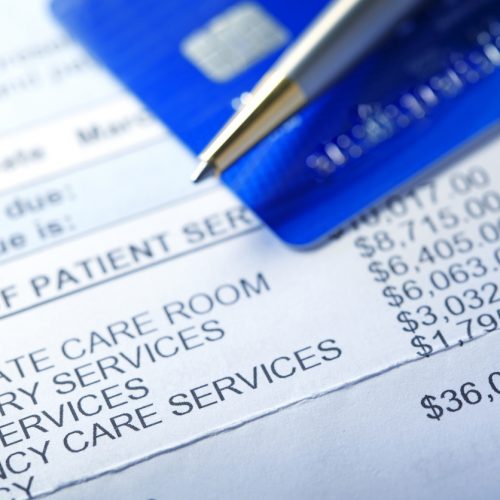
Reducing the Impact of Healthcare Costs on FinHealth
Despite growing attention on access and eligibility for public coverage or charity care, too many individuals continue to struggle to manage healthcare expenses without difficult trade-offs in life expenses.

Consumers Use Stimulus to Pay Utilities, Catch Up on Credit Card Debt: A Conversation with doxo
Thea Garon, Senior Director of the Financial Health Pulse, interviews Liz Powell, Head of Marketing Communications & Insights at doxo, on how stimulus payments and tax refunds influence consumer activity.

2021 Accelerator Cohort: Improving Financial Resilience With Fintech
The Financial Solutions Lab Accelerator is proud to introduce its 2021 cohort, which has a focus on expanding financial resilience and growth.

3 Takeaways from EMERGE Workplace
The pandemic has made it clear that workplace benefits are evolving. As Harvard Business Review recently reported, the vast majority of leaders are planning to expand benefits as a result of the COVID-19. What should your organization be considering? We designed our inaugural EMERGE…

In Their Words: What Older Adults Struggling Financially Need
Despite the recent stimulus, increased vaccinations, and gathering momentum of reopenings across the country, millions are still struggling with their financial health. Ongoing economic uncertainty, job loss, and physical health concerns have caused many to shift financial priorities just to stay afloat. In the Financial Health Network’s latest…

Opportunities for FinHealth Innovation and Impact in Criminal Justice
People who are arrested, detained, and/or incarcerated often have interactions with the criminal justice system that lead to short-term financial crises and long-term financial instability for themselves and their families. In many cases, families forgo basic needs because of loss of income following their loved one’s incarceration. Punitive fines and fees create a cycle of […]

Two Ways Policy and Technology Can Support Struggling Student Loan Borrowers
Student debt remains a critical topic for both borrowers and policymakers. Many borrowers now face the added financial challenge of unemployment as a result of the pandemic, and policymakers are urgently seeking ways to support these individuals. Now consider that Black and Latinx borrowers are disproportionately affected by the economic fallout from the pandemic, while […]

How Measurement Can Put Teeth Behind Stakeholder Capitalism
The new commitment to Stakeholder Capitalism Metrics by the World Economic Forum is the first step on a journey to improving the lives of all stakeholders - including customers, employees, and communities.

Getting “WISER” on Addressing Unmet Needs Among Independent Workers
FSL provided WISER a $75,000 general operating grant to ensure it can continue to support to independent workers in rural Appalachia.

The U.S. Financial Health Pulse: A Roadmap for Recovery
As vaccines roll out across the country, the Biden administration is considering bold policies to help struggling households, businesses, and communities recover from the health and economic impacts of the COVID-19 pandemic. For these efforts to be successful, the new administration – along with businesses, employers, and other stakeholders –…

Fintech Innovation Leader Joins the Financial Health Network
Hannah brings a passion for financial health and knowledge of startups, nonprofits, financial services, and the fintech ecosystem at large. She will be responsible for the strategic direction of our Innovation practice, including the Financial Solutions Lab.

Welcome Hannah Calhoon to the Financial Solutions Lab
The Financial Health Network announced today that Hannah Calhoon has joined the team as Vice President, Innovation. In this role, she will be responsible for leading the Financial Solutions Lab, finding new ways to support our partners and innovators as they work to improve financial health for all. Learn more about Hannah’s past experience and […]

Good Jobs Matter: Investing in Worker Financial Health
In this final installment of the "Good Jobs Matter" blog series, we use the Financial Health Network’s eight financial health indicators to explore additional ways that employers can improve the financial health of their workers.

Driving Cross-Sector Solutions: Responding to the Unemployment and Student Loan Crises
As the pandemic was initially unfolding and unemployment rates in the U.S. made headlines, research showed that Americans facing both unemployment and student loan debt experienced serious risks to their financial health. One in five unemployed U.S. adults report that they or someone in their household has a student loan, and the 45 million Americans […]

The 4 Phases of the COVID-19 Economy – What Comes Next?
With the arrival of a new administration in D.C. in a few weeks, it’s time to refocus on what Americans need now to support their financial health. Our recently released 2020 Trends Report found that many Americans were able to cope during the pandemic largely because of…

Good Jobs Matter: Improving Job Quality for Low-Income Workers
While employee benefits are clearly important for financial health, they are the job quality dimension rated lowest among low-income workers. In order to improve employee financial health, employers should invest in benefits that support worker financial well-being.

Fintech Leader Q&A: Finli CEO Lori Shao
Lori Shao founded Finli, one of the Financial Solutions Lab Accelerator’s 2020 Cohort companies, in 2019. Finli’s comprehensive business management software relieves family-centric businesses, like neighborhood schools and enrichment programs, from the administrative burdens of invoicing, tuition collection, and maintaining a digital presence by providing an enterprise solution and parent-approved app. Given its area of […]

Dodging the Overdraft Bullet (So Far)
The economic shutdown and mandatory lockdowns forced many people to limit discretionary spending on retail, food, and entertainment, while stimulus checks and increased unemployment benefits improved financial health in the short term. This aided in a slow down of overdraft.

Good Jobs Matter: Worker Financial Health During COVID-19
There is a strong relationship between job quality and workers’ financial health. Employers have the opportunity to use investment in job quality as a way to improve financial health equity among workers.